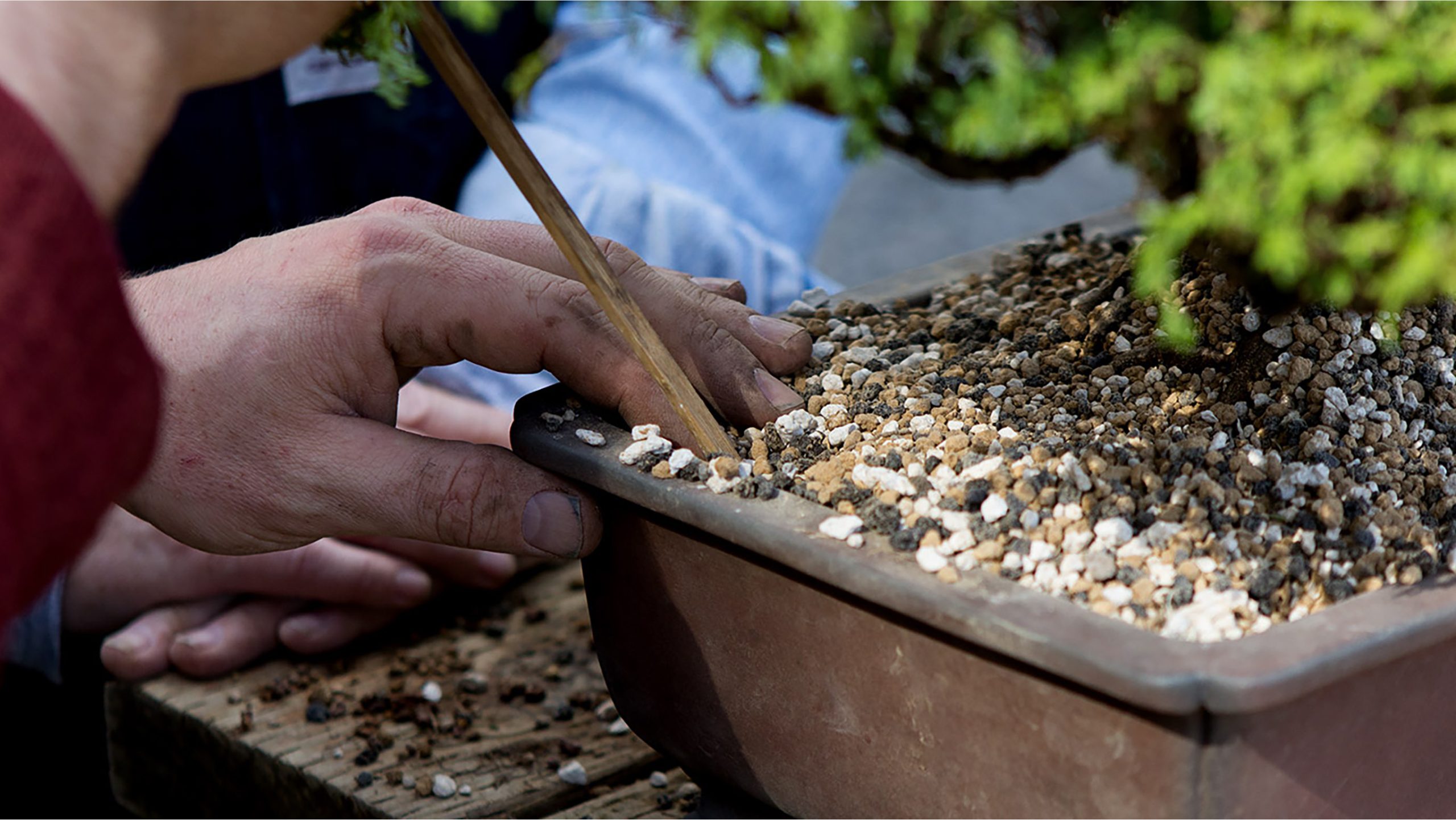
Here are some tips on bonsai soil for repotting:
Using the right soil mixture for your bonsai trees is crucial. Soil is important to supply your trees with nutrients, but it also needs to drain properly, provide enough aeration, and retain water.
A particle-based, well-structured, inorganic soil allows water to drain quickly and fresh air to continually enter the soil.
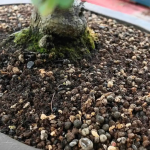
The most common components for bonsai soil mixtures are akadama, pumice, lava rock, and organic potting compost.
1. Akadama is hard-baked Japanese clay specifically produced for bonsai purposes. It is rather expensive and is therefore sometimes substituted with similar fired/baked clays (diatomaceous earth). Napa Auto Floor Sweep is a great alternative.
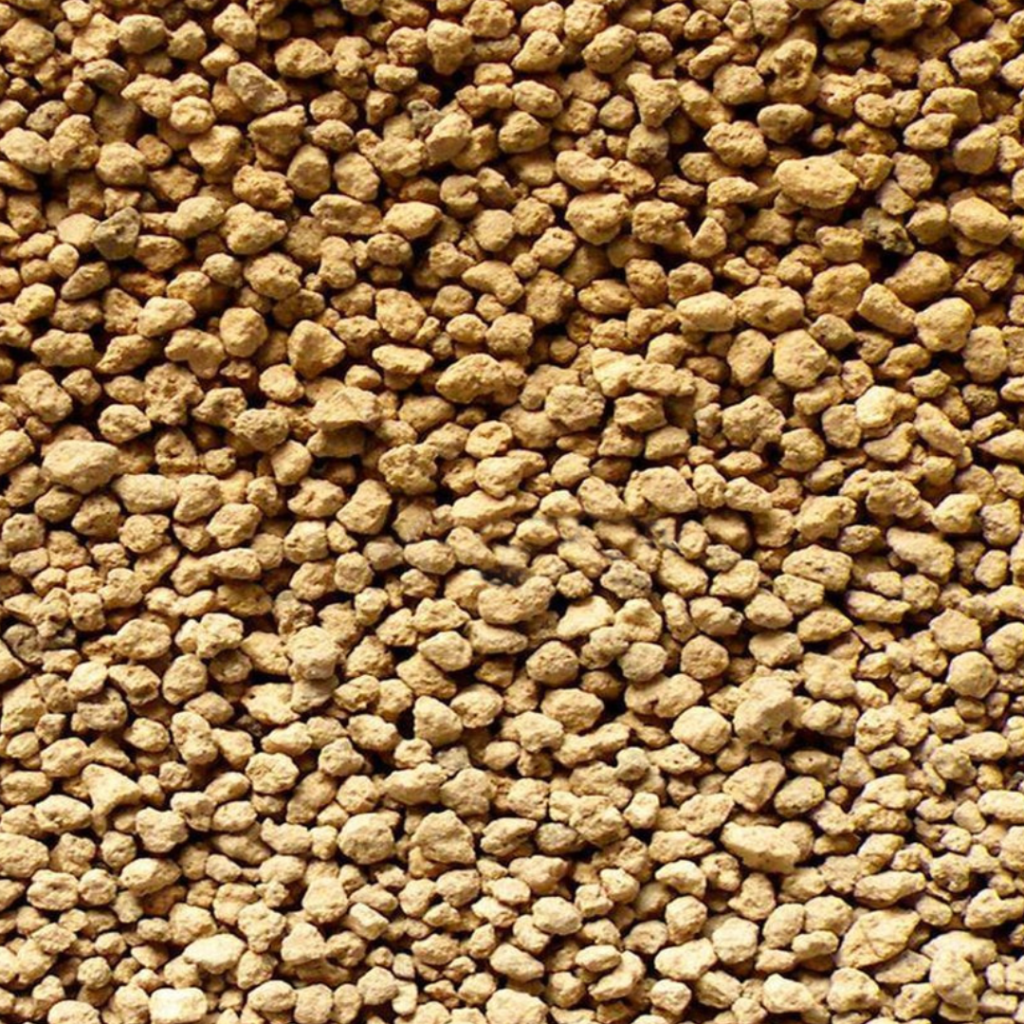
2. Pumice is a soft volcanic rock, which can absorb water and nutrients quite well. When used in a bonsai soil mix it helps to retain water and allows the roots to ramify very well.
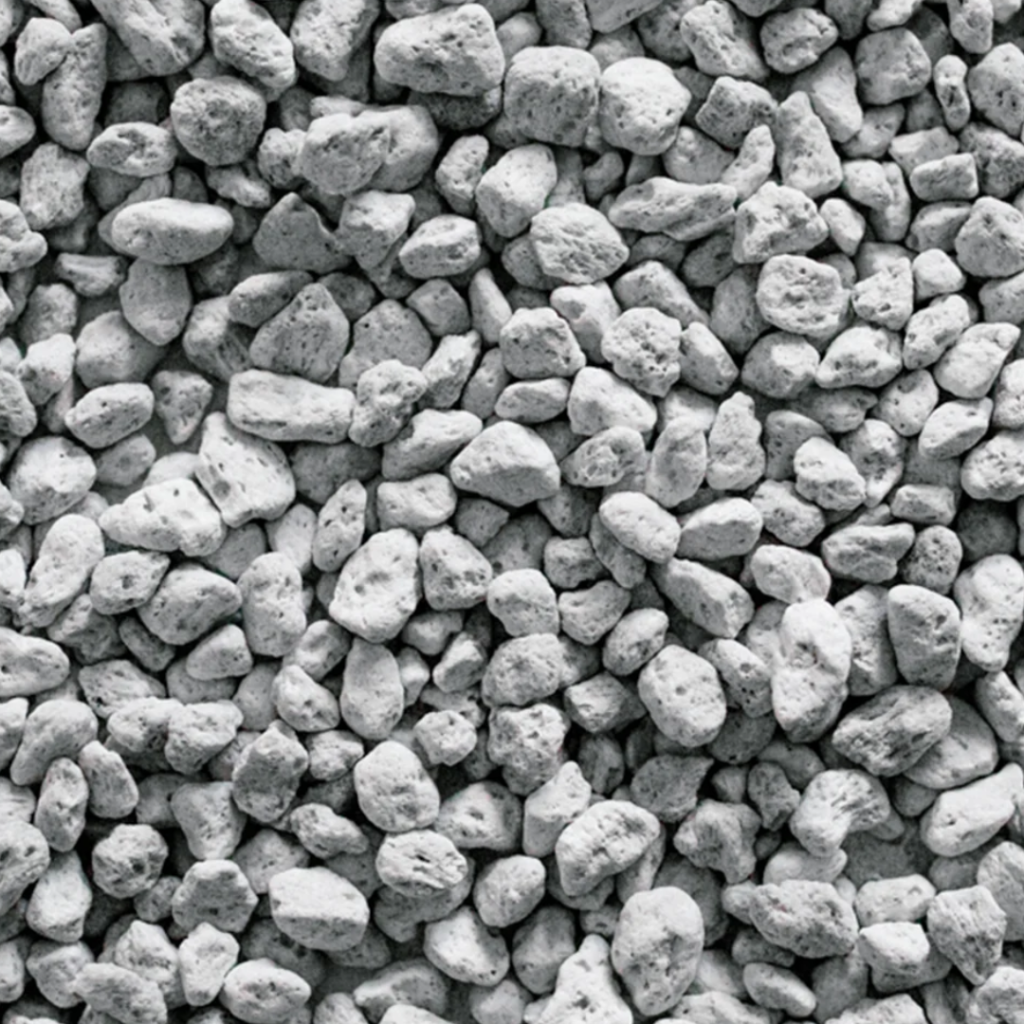
3. Lava rock also helps retain water and create a good structure when part of a bonsai substrate. Roots can’t grow into the Lava rock.
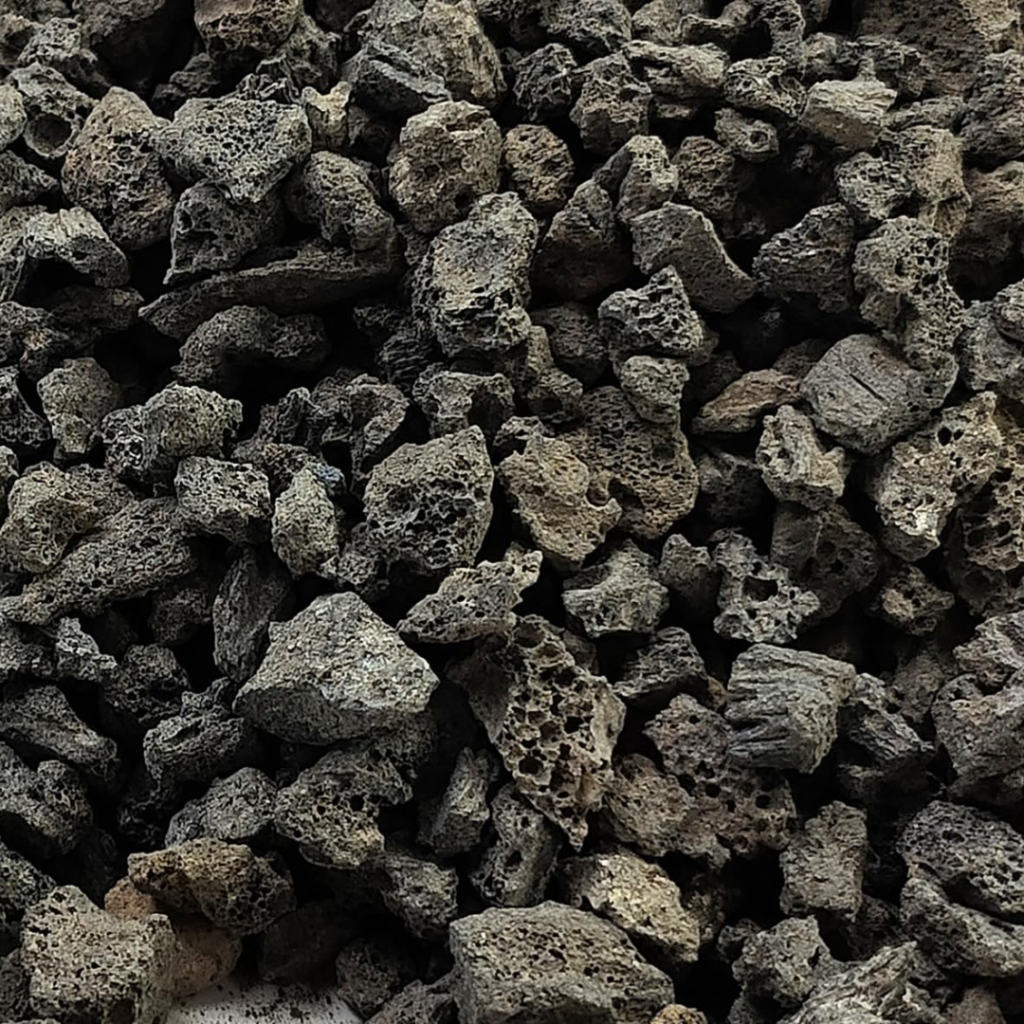
4. Organic potting compost is made up of peat moss, perlite, and sand. On its own, it retains too much water and doesn’t allow for proper aeration and drainage, but as part of a soil mixture, it can work very well.
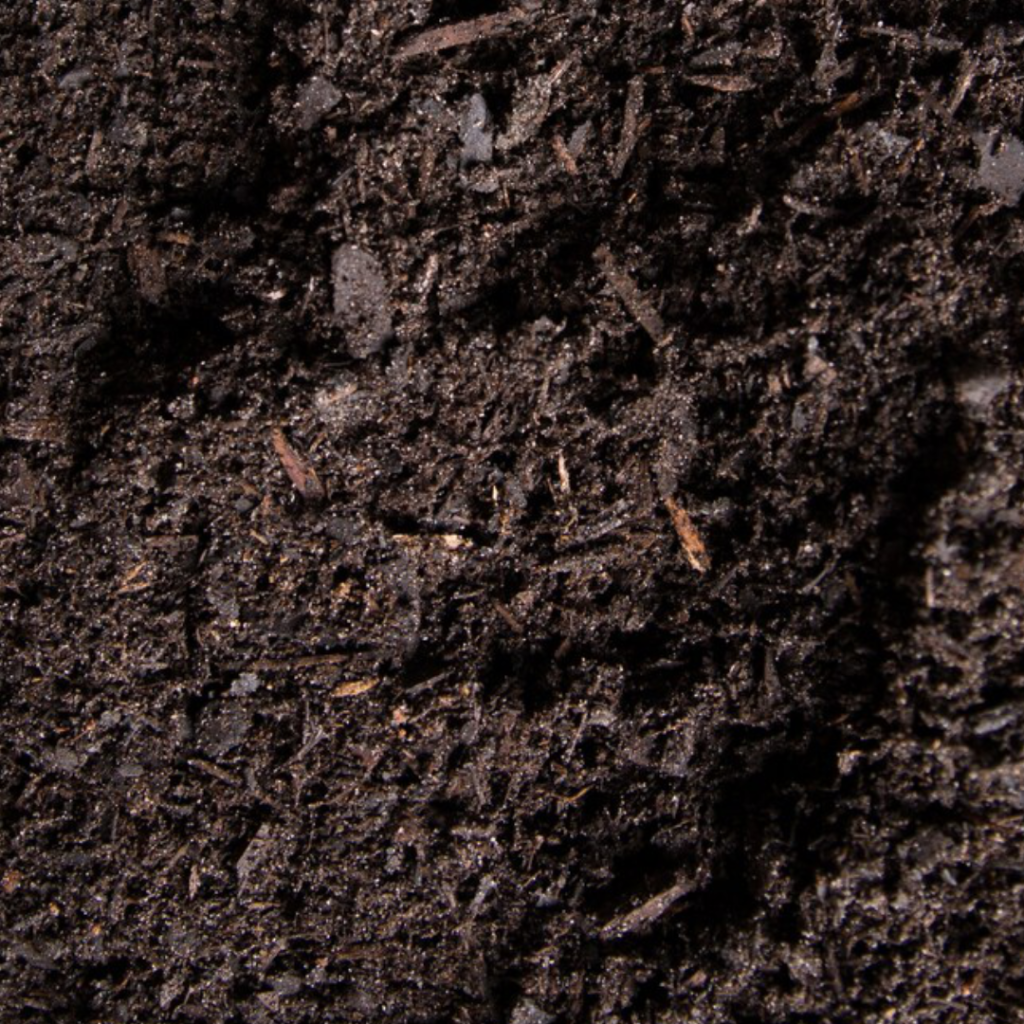
Recommended Bonsai soil mixtures:
Deciduous Bonsai soil
50% Akadama
25% Pumice
25% Lava rock
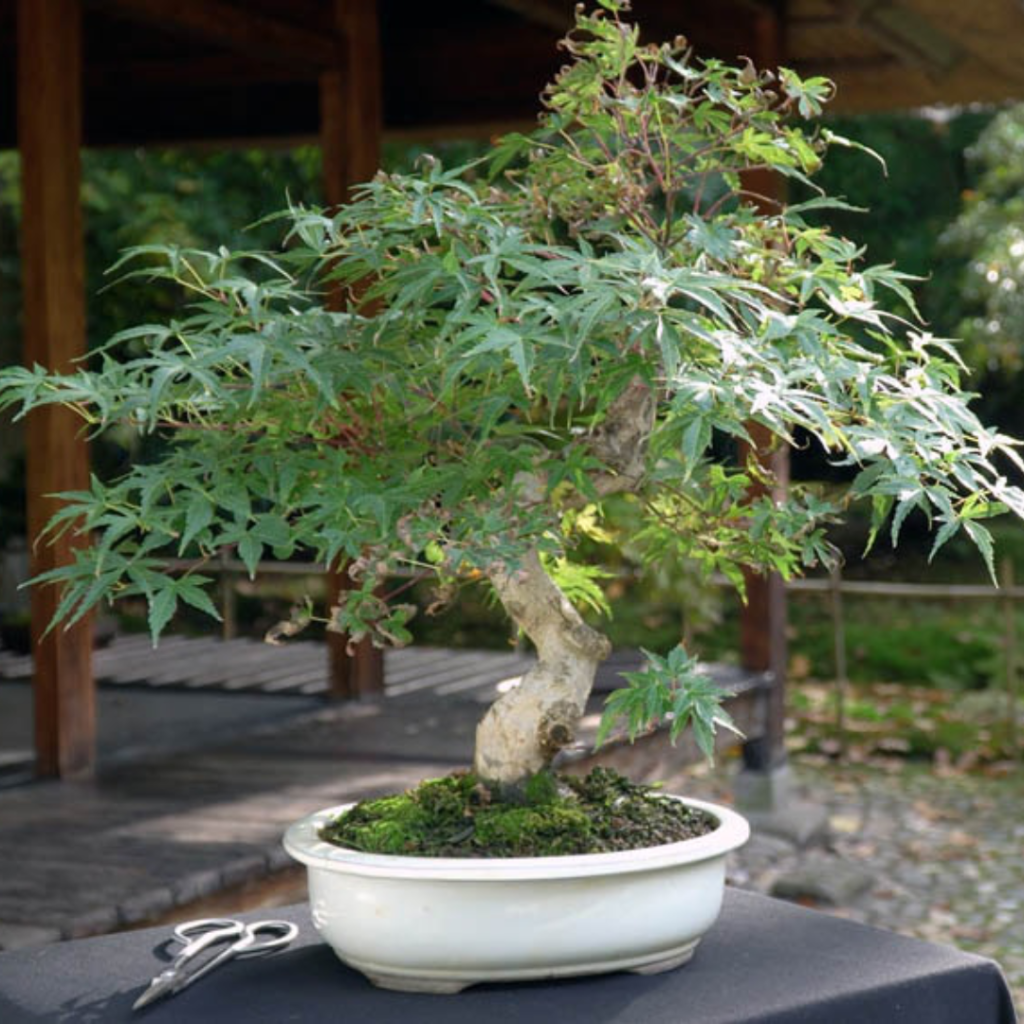
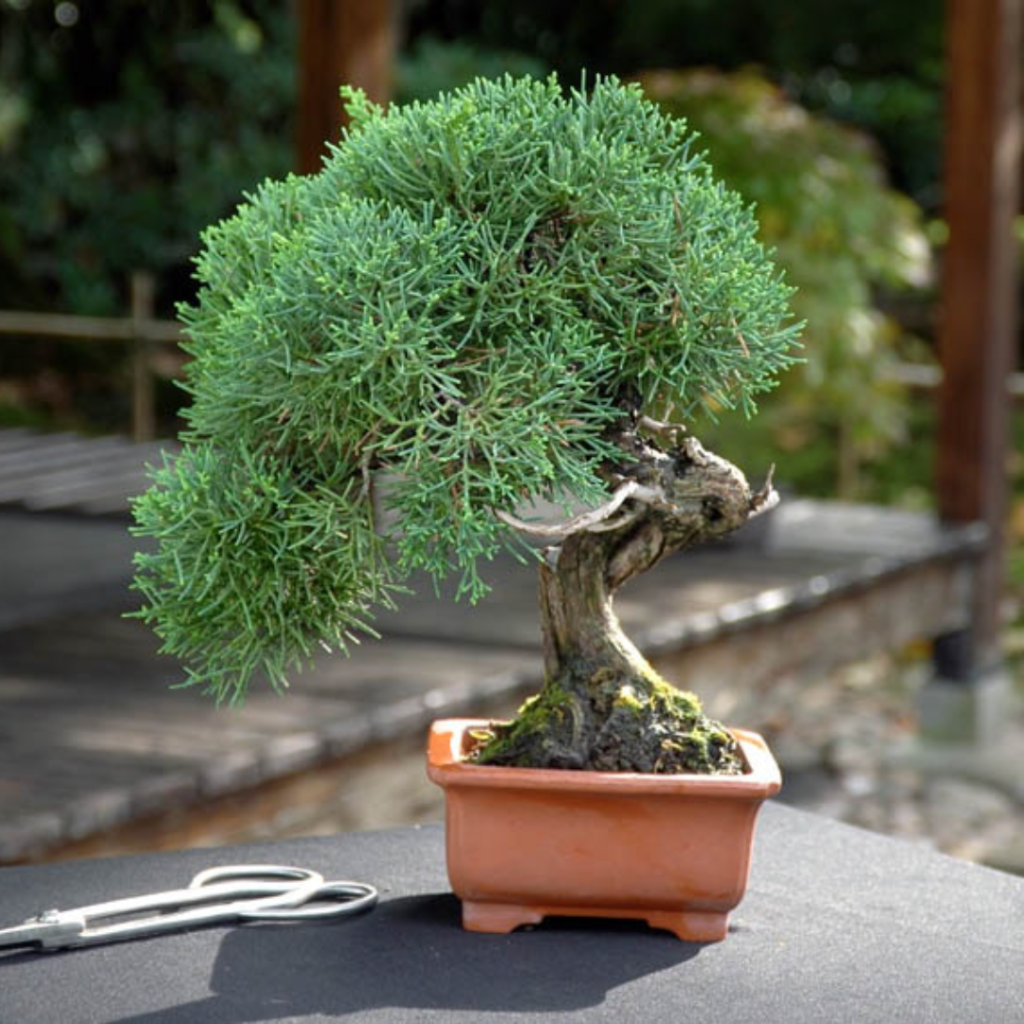
Coniferous and Pine soil
33% Akadama
33% Pumice
33% Lava rock
Alternative is to buy packaged Bonsai Soil. Cactus mix is also a great alternative.
Repotting
Before repotting make sure your pots are cleaned. Remove calcium/salt deposits from the surface of the pots.
Prepare your soil mix.
For existing bonsai plants only remove left or right side of the tree’s existing soil with each repotting. Clean the roots removing any damaged or excessive root growth. Replace soil around the roots with a fresh mix using chop sticks to settle the mix around roots. Water throughly.
For new plants (nursery stock) reduce depth of root mass to fit the new container (usually no more than half the existing depth). Rake existing soil. Trim damaged, large, or tangled roots. Replace with prepared soil mix. Water throughly.
Once there are signs of new growth, begin fertilizing in the Spring.