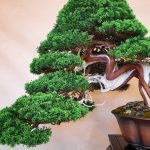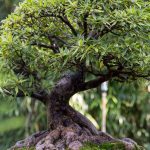
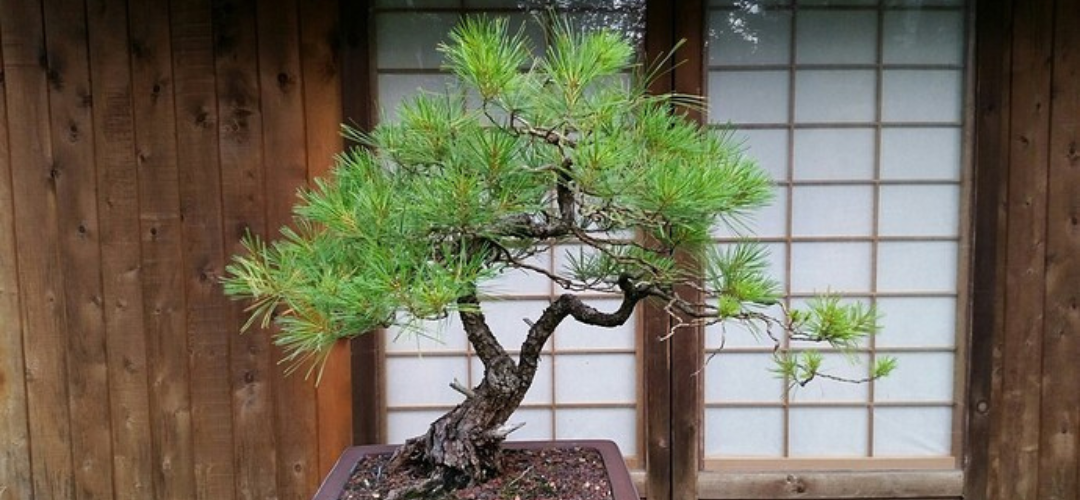
To understand the difference between junipers, pines, and conifers, it helps to think of them in terms of a family tree.
The Simplest Way to Look at it is:
Conifer is the broad category (the “parent” group), while Pines and Junipers are two very different “children” within that group.
Conifers: The Big Category
A conifer is any plant that reproduces using cones (the name literally means “cone-bearer”). Instead of flowers and fruits with seeds inside, they have “naked seeds” sitting on the scales of a cone. They are mostly evergreen (a few exceptions like larch).
Major conifer families include:
Pinaceae – pines, firs, spruces, cedars
Cupressaceae – junipers, cypress, arborvitae
Taxaceae – yews
Araucariaceae – Norfolk Island pine, monkey puzzle
Pines vs. Junipers: The Key Differences
While both are conifers, they belong to different botanical families and look very different upon close inspection.
Visual Identification
Pines: If you pick a bunch of needles and they are attached at the base in a little “paper wrapper,” it’s a pine.
Junipers: If the foliage feels like a braid of scales or very short, prickly “awls,” and you see blue “berries,” it’s a juniper.
Why the Confusion?
The confusion often comes from common names. For example, the Eastern Red Cedar is actually a type of juniper (Juniperus virginiana). People often call any evergreen tree with needles a “pine tree,” but botanically, that is only accurate if it belongs to the genus Pinus.
Traits of Pines (Genus Pinus)
- Strong apical growth (want to grow straight up)
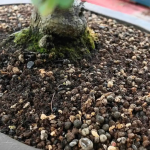
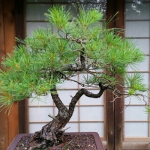
- Leaves (or needles) are slender, long, and in bundles (also called fascicles) of 2, 3, or 5
- Bark varies from smooth on young trees to deeply furrowed, ridged, or plated on older ones, with colors from reddish-brown to gray
Examples
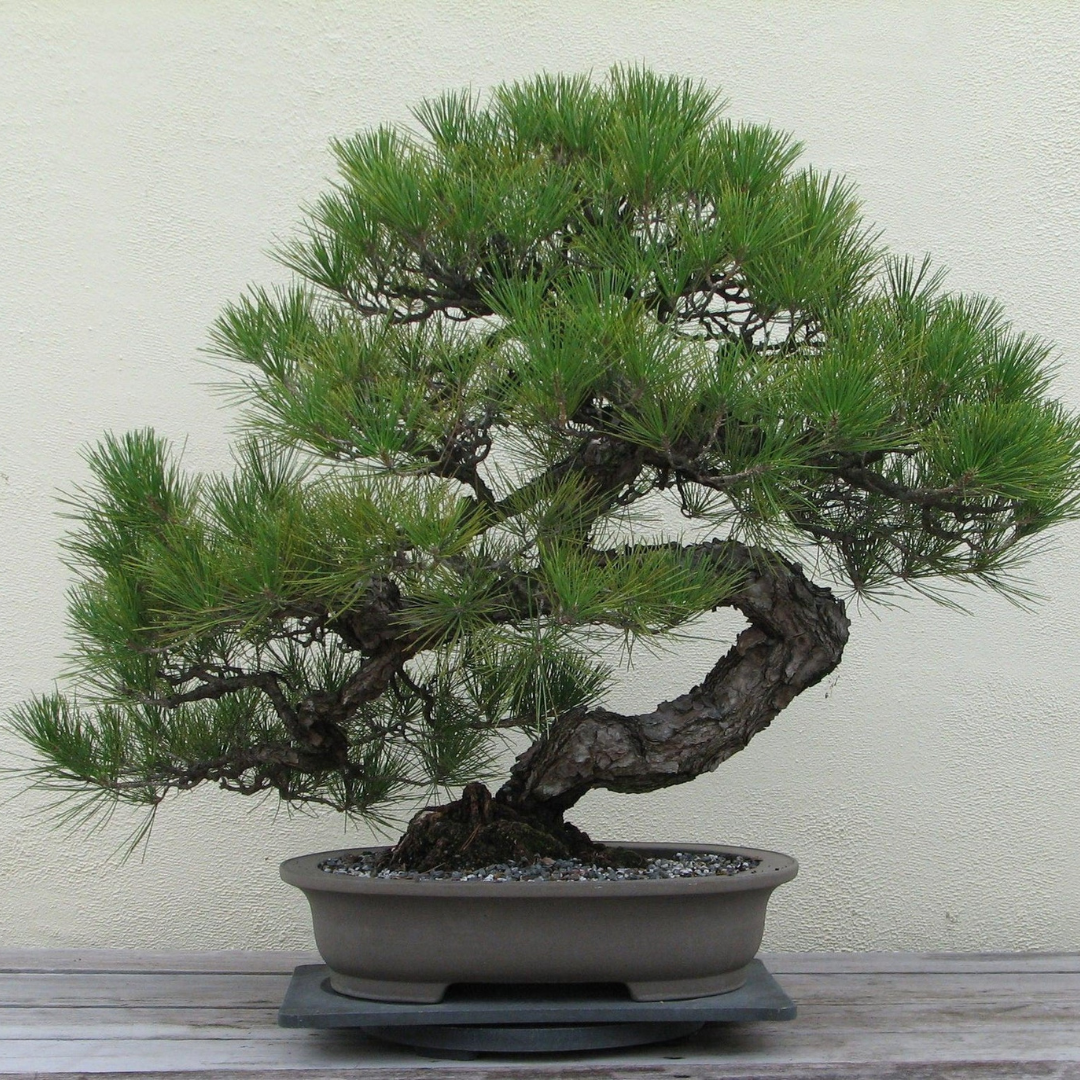
(Pinus thunbergii)
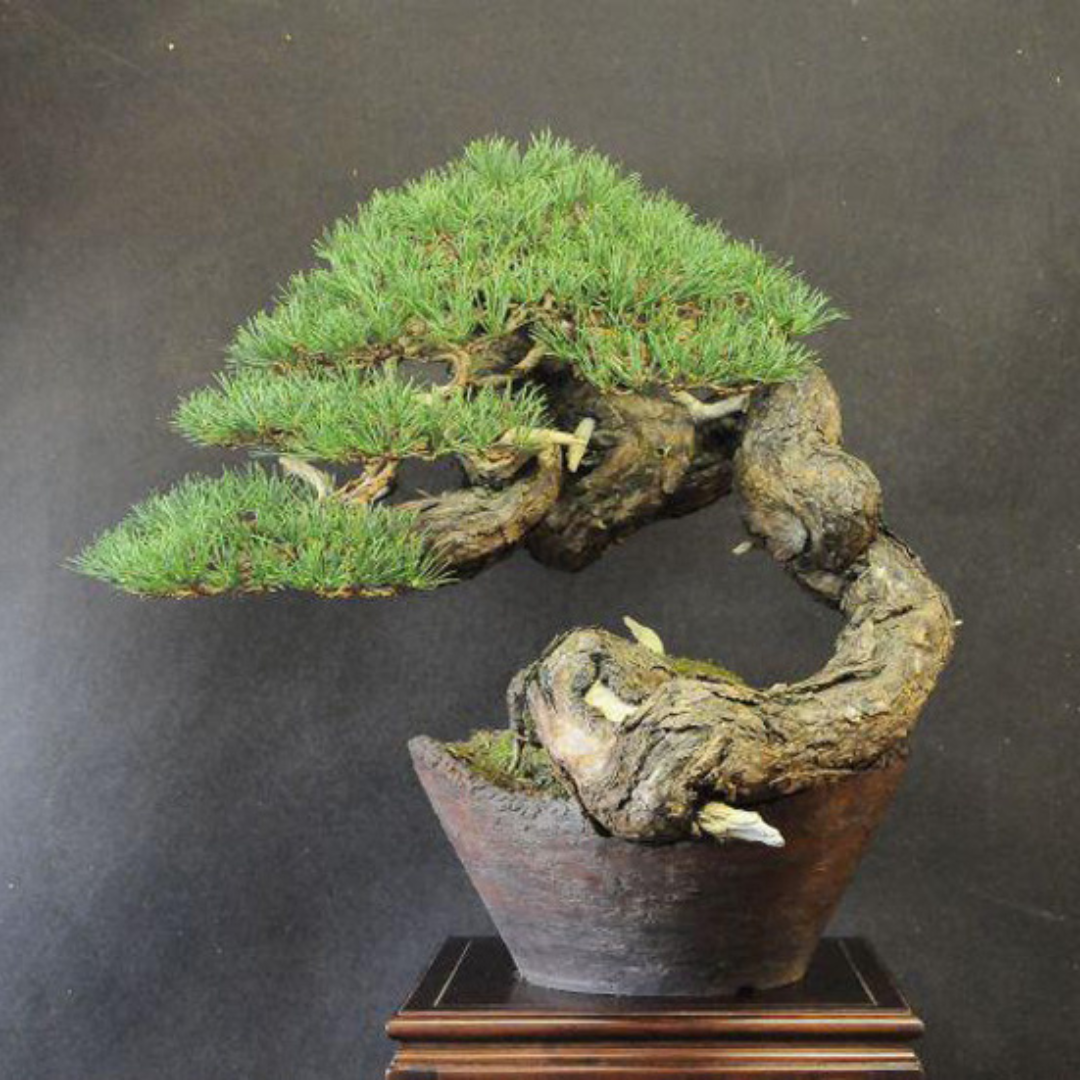
(Pinus sylvestris)
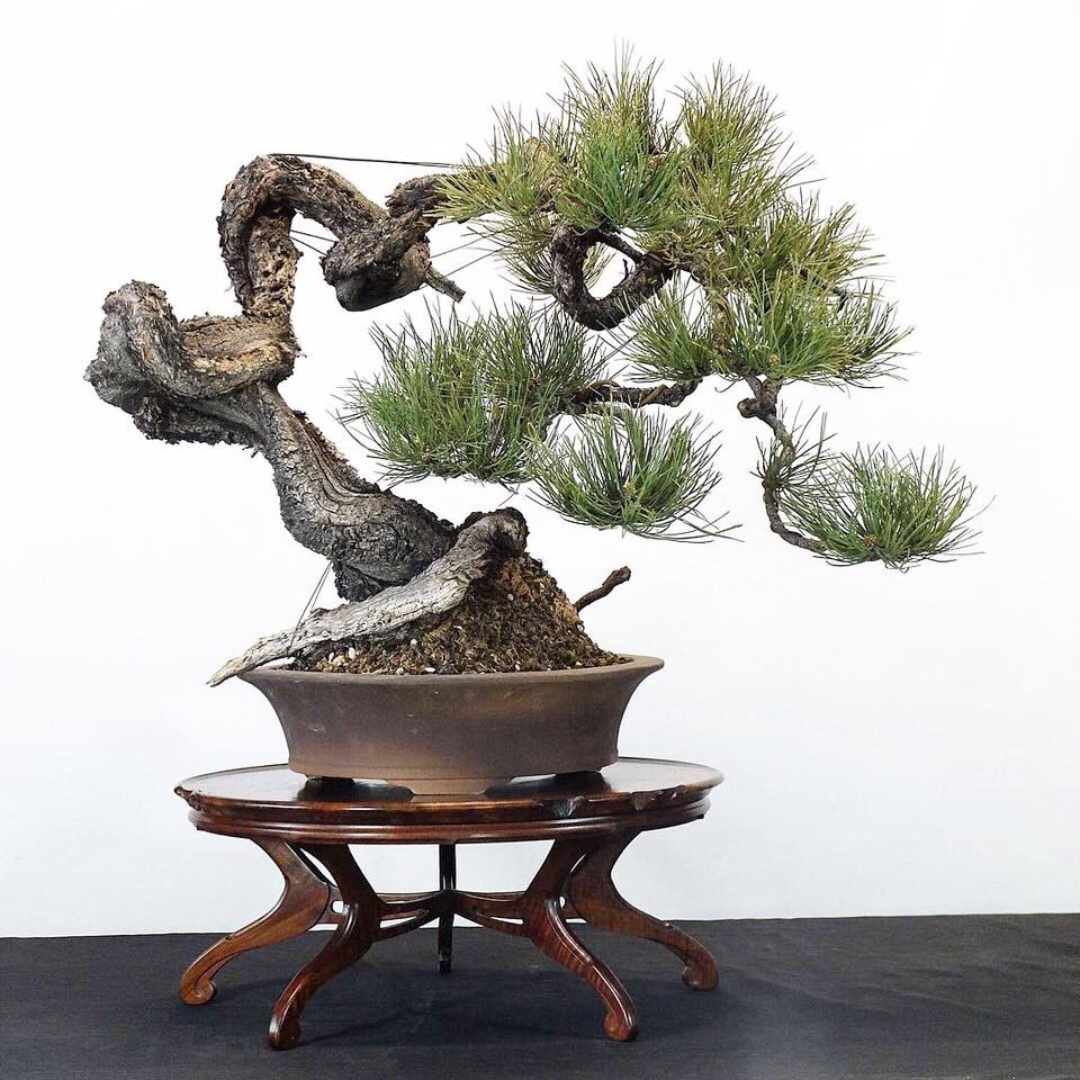
(Pinus ponderosa)
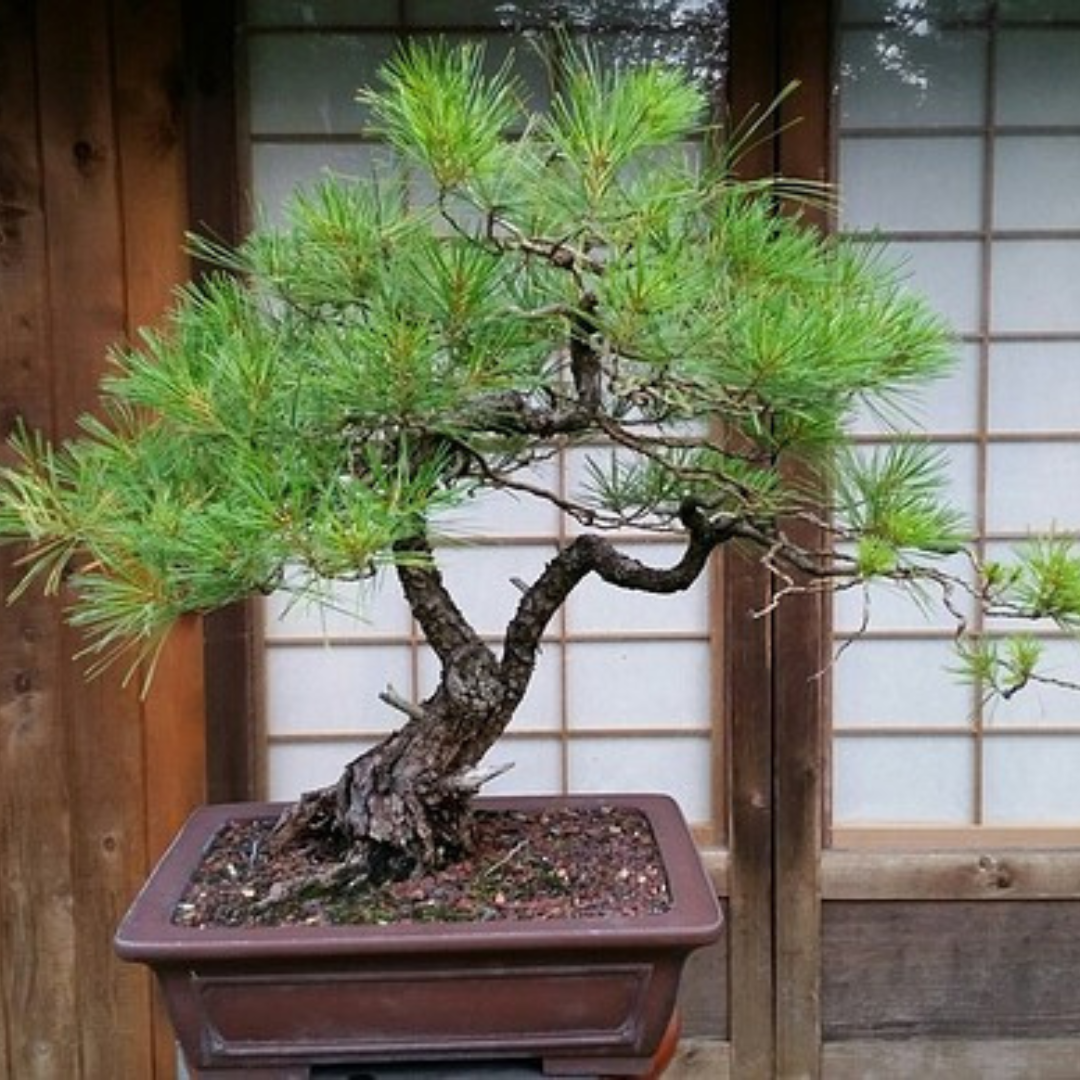
(Pinus strobus)
Traits of Junipers (Genus Juniperus)
- Growth is highly variable in shape (ground cover or columnar)
- Leaves (or needles) are either sharp, awl-like or small, flat, scale-like
- Foliage color ranges from deep green to bluish-green
- Branches are flexible with long-lived foliage pads
- Bark is fibrous and excellent for deadwood (also called jin & shari)
Examples
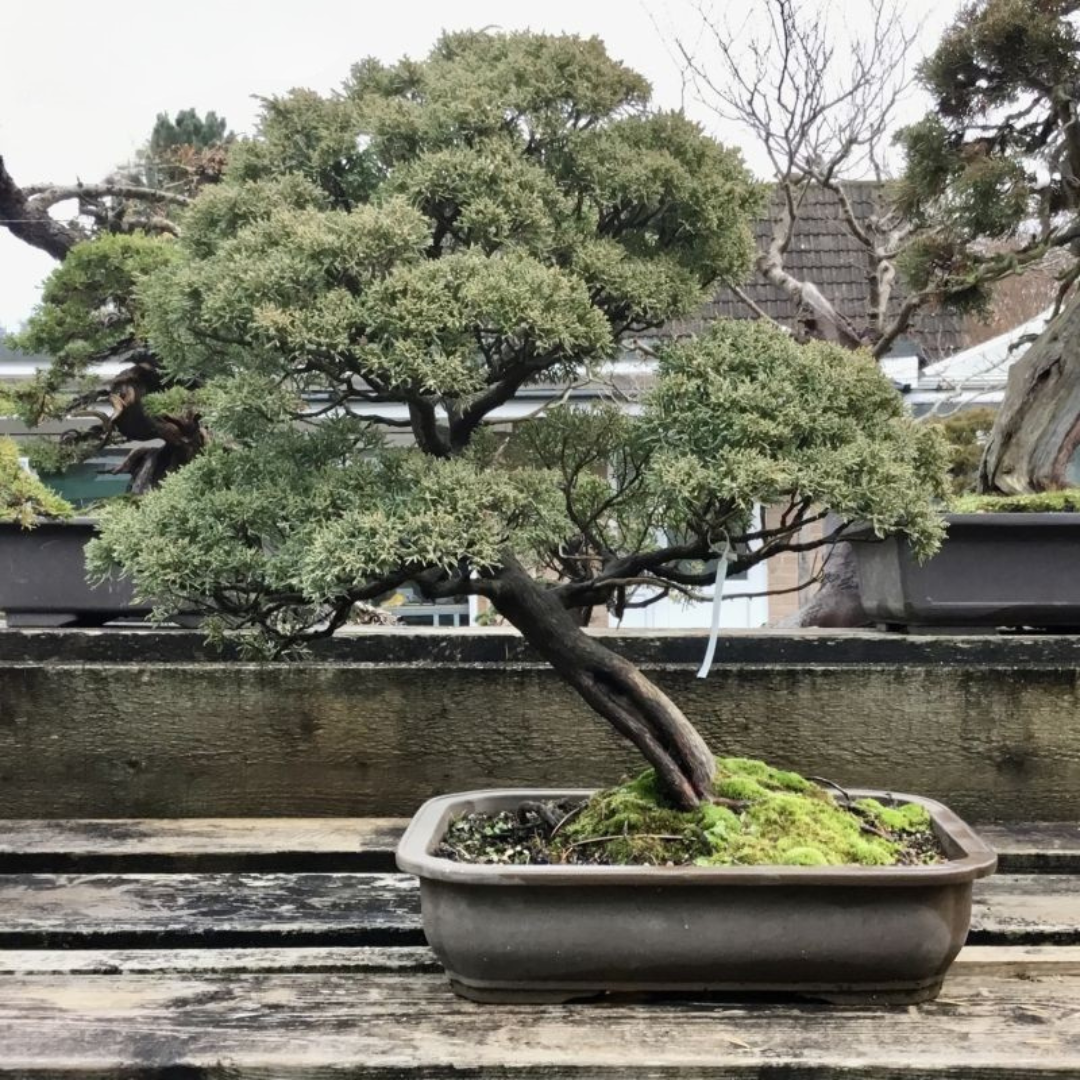
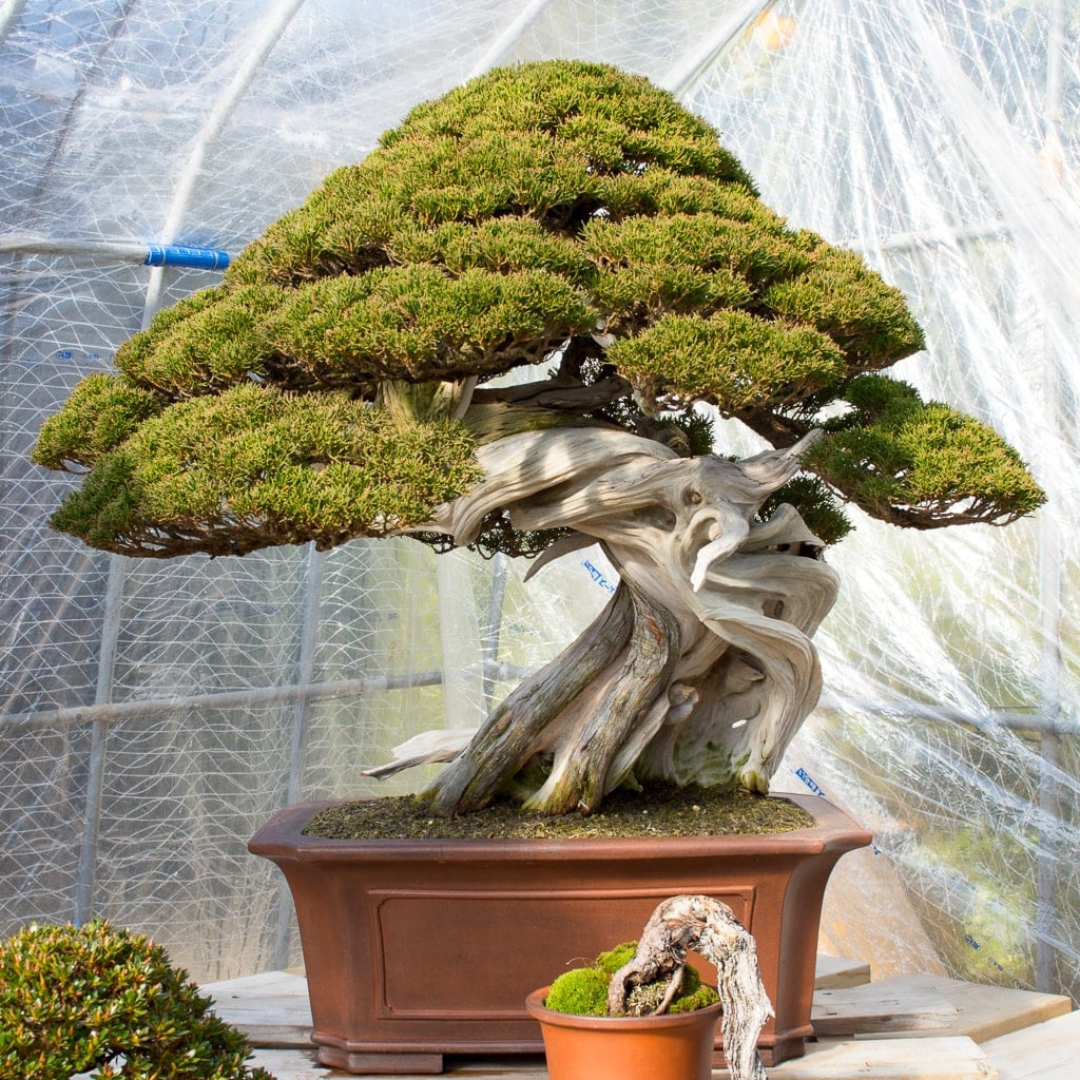
(J. chinensis var. shimpaku)
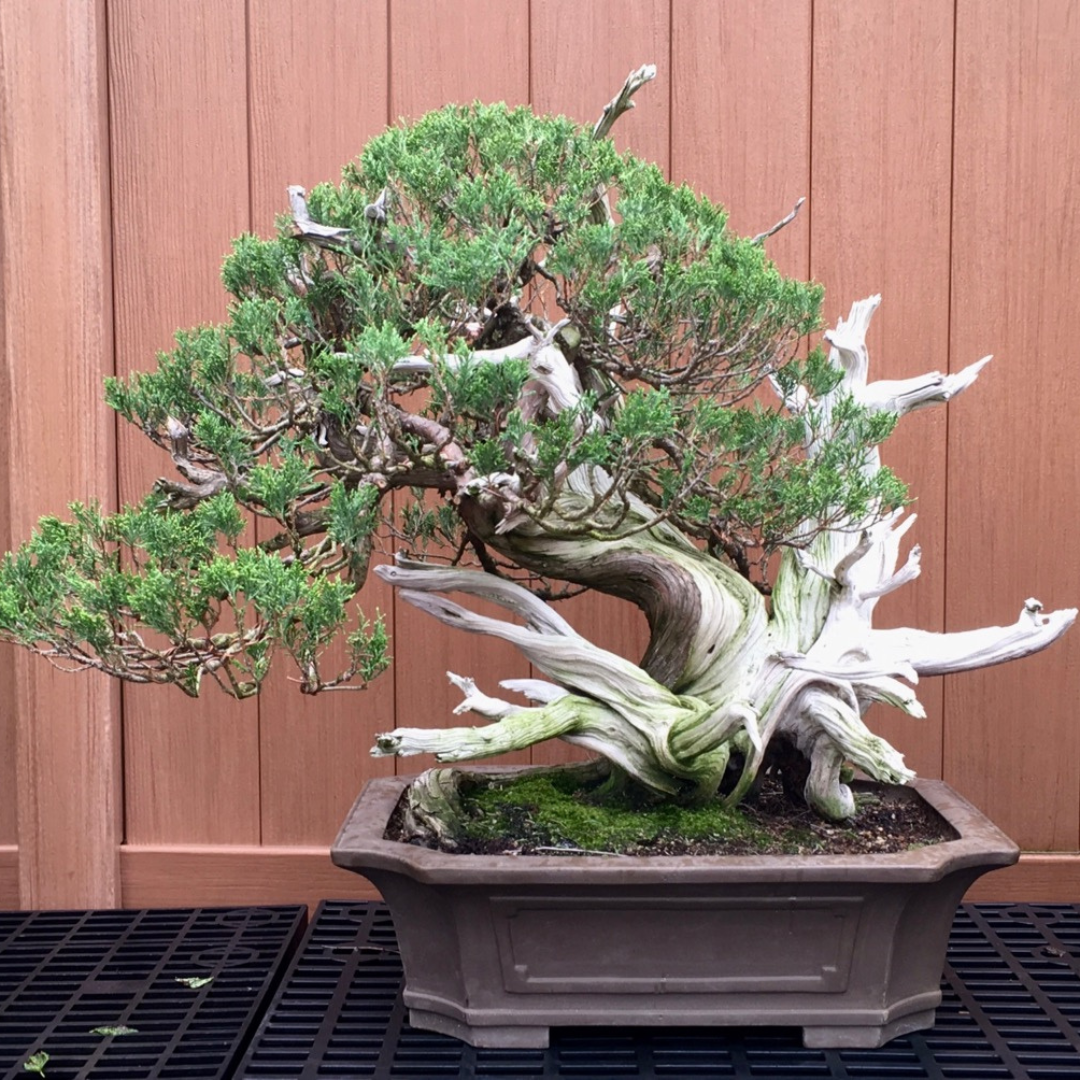
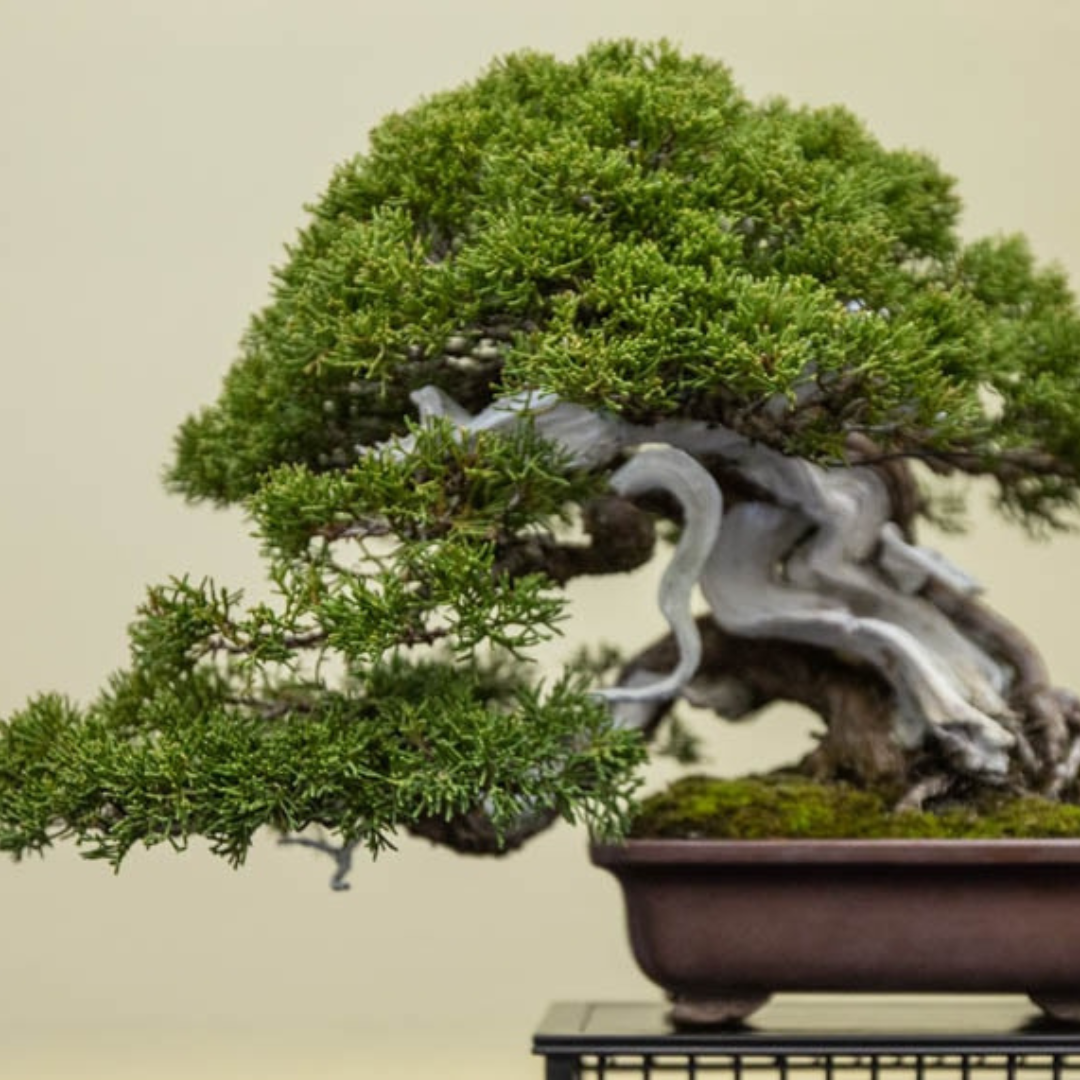
(J. communis)
Summary Checklist