-
Indoor Bonsai 101
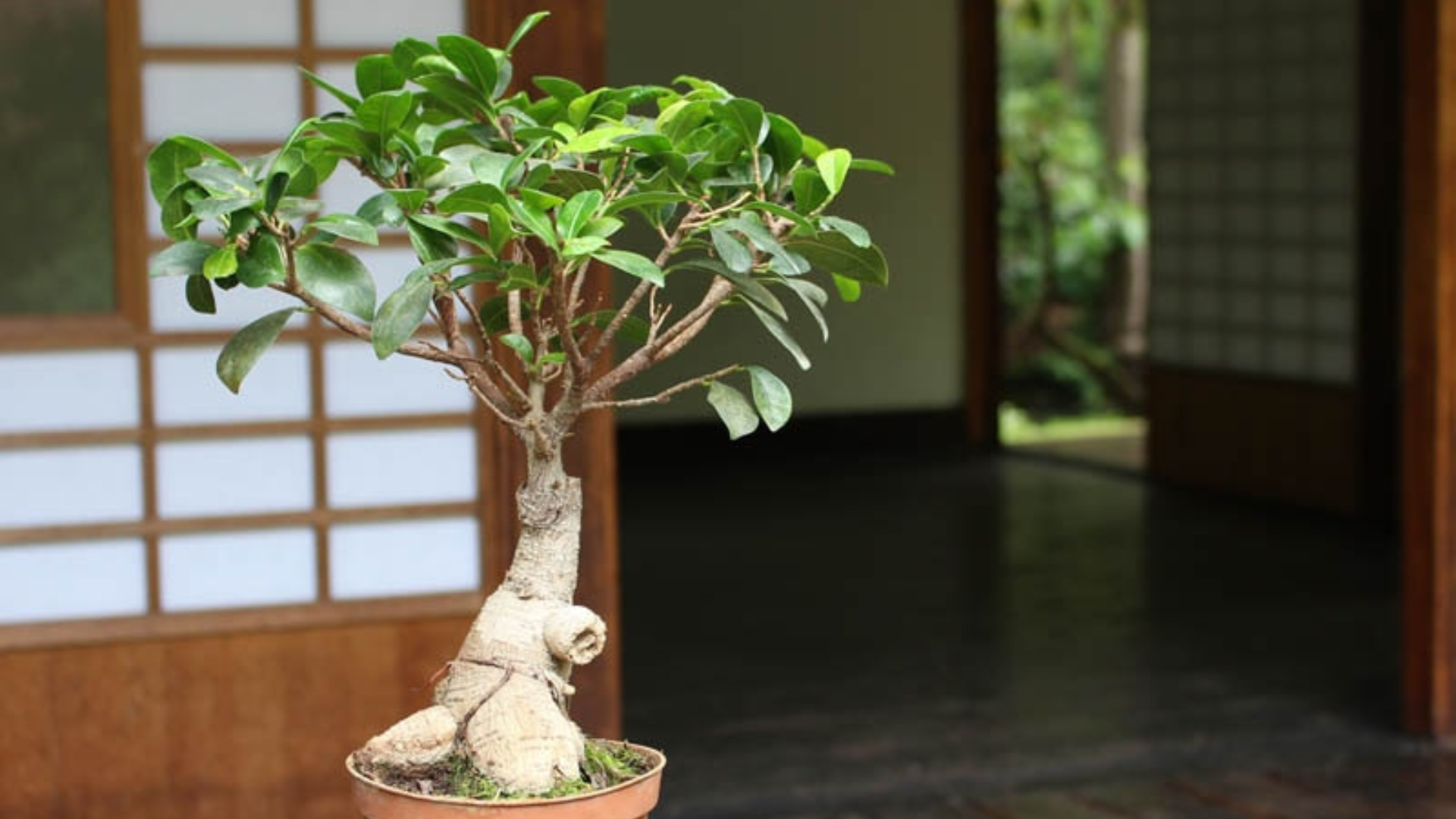
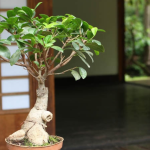
When selecting a bonsai for indoor-only growth, it is essential to choose tropical or subtropical species. Unlike temperate trees (like Junipers or Maples) which require a cold dormancy period outdoors to survive, tropical plants can thrive in the consistent warmth of a home. Top Indoor Bonsai Species For beginners, the Ficus and Jade are widely
-
All About Bonsai Soil
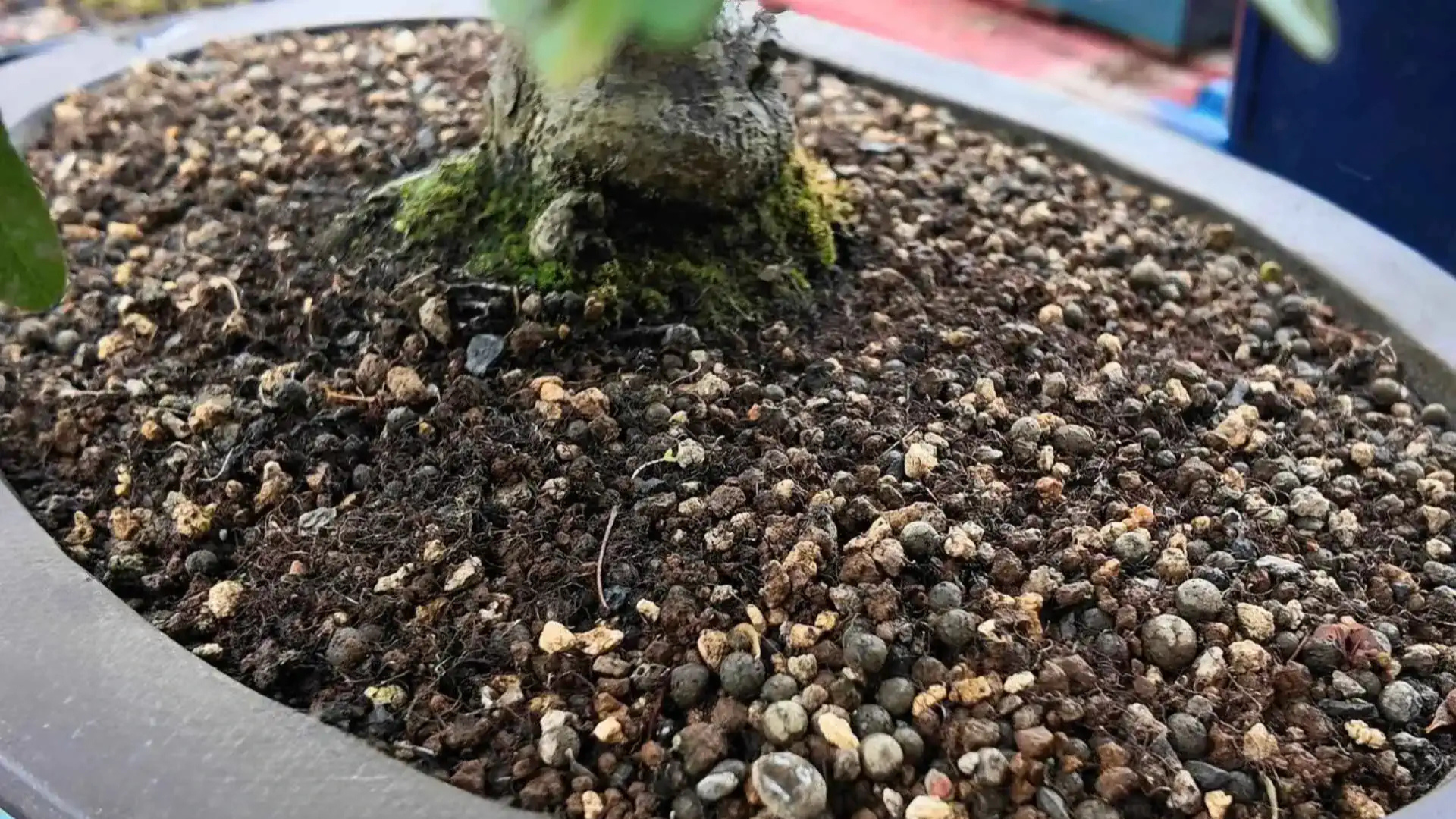
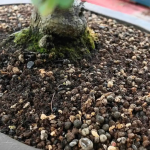
The Basics of Bonsai Soil For many bonsai enthusiasts, their first tree came from a big box store, mall, or roadside stand. Typically, these trees come planted in garden or potting soil, which is not a suitable substrate for vigorous bonsai growth. Let’s explore why bonsai trees need special soil considerations, and discuss the proper
-
Ficus Trees as Bonsai
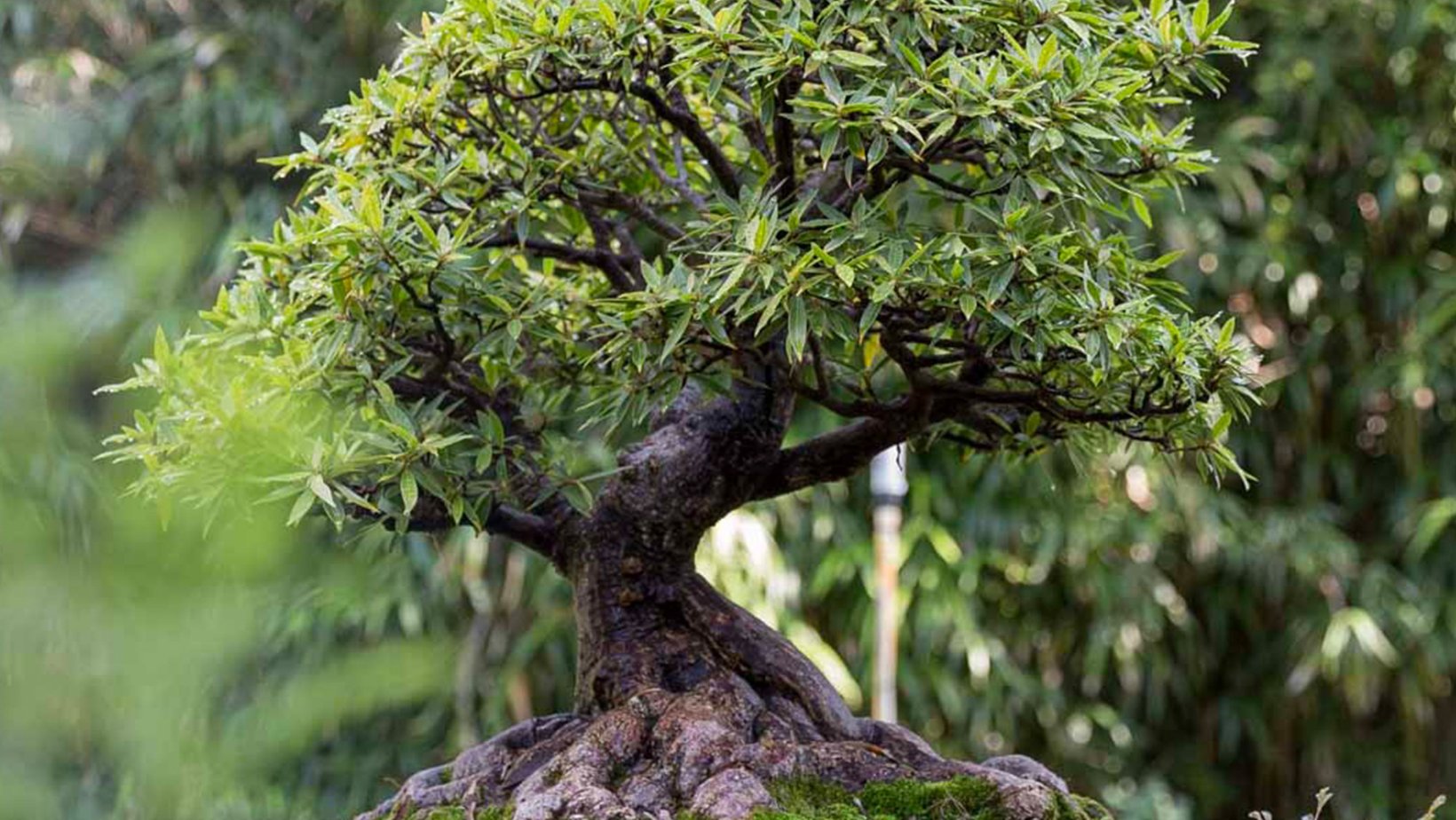
Ficus bonsai can be cultivated indoors or outside in warm climates where temperatures remain above freezing. The Ficus genus belongs to the family of mulberry plants or Moraceae, and it’s the most popular indoor tree species for Bonsai beginners. They can be found on every continent in the tropic regions and are very suitable for
-
Tropical Plants as Bonsai

Tropical plants make excellent bonsai specimens due to their resilience, year-round growth, and ability to thrive indoors. Unlike traditional temperate bonsai that require dormancy, tropical bonsai can be cultivated indoors or outside in warm climates where temperatures remain above 50°F (10°C) A few popular Tropical Bonsai Species in our area 1. Ficus (Ficus spp.) –
-
Spring Maintenance (repotting and fertilizing)
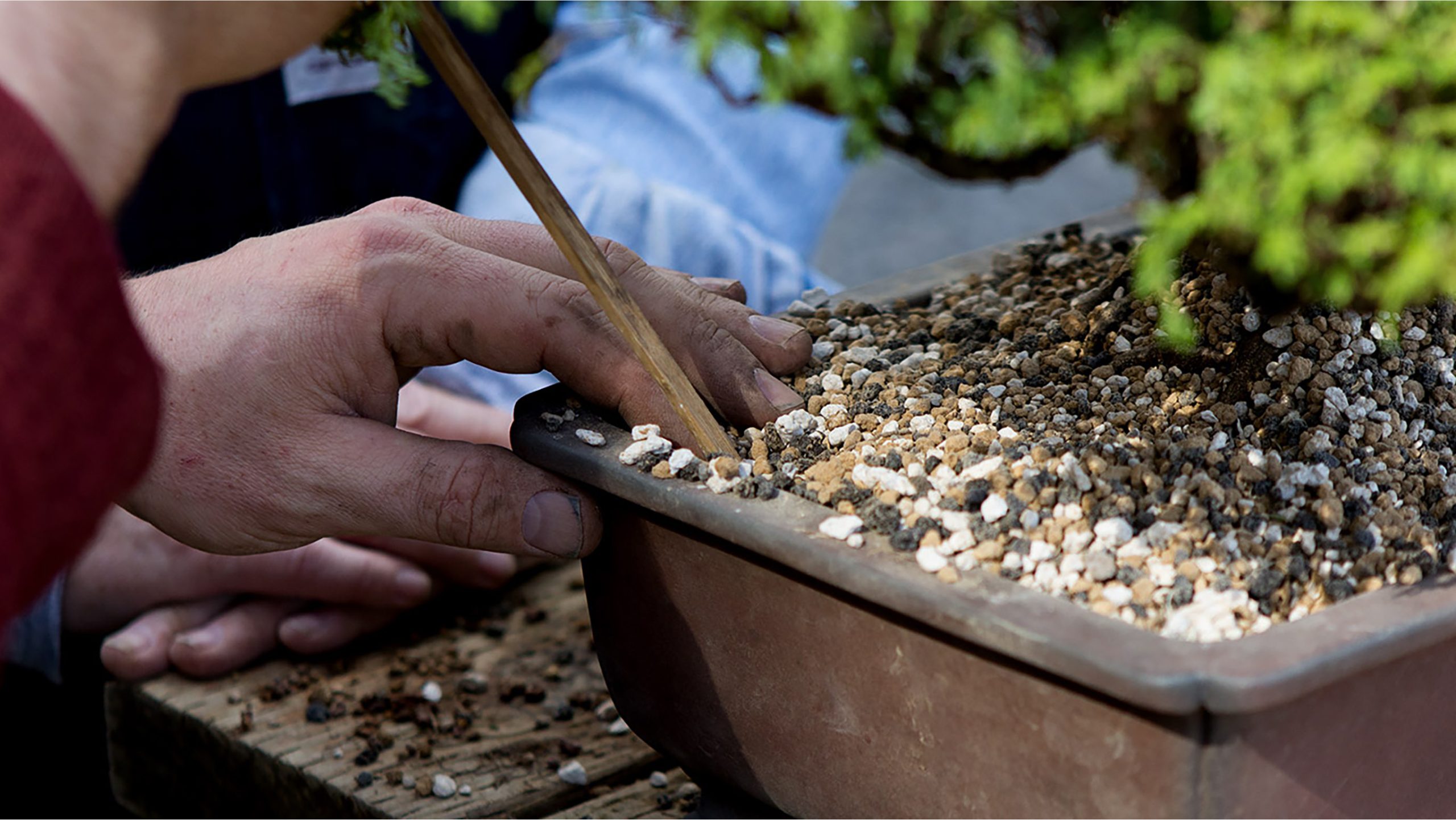
Here are some tips on bonsai soil for repotting: Using the right soil mixture for your bonsai trees is crucial. Soil is important to supply your trees with nutrients, but it also needs to drain properly, provide enough aeration, and retain water. A particle-based, well-structured, inorganic soil allows water to drain quickly and fresh air