By Jim Ireland
When trees are supplied with proper nutrient levels in the correct balance, they tend to grow vigorously, fend off pests and diseases, and adapt well to pruning or training methods. However, if they receive either an excess or a deficiency of certain nutrients, their overall health can decline, and their growth may no longer align with your intended outcomes.
Fertilizer generally can be found in two forms: liquid and solid. It can be categorized as organic (made from plant or animal matter) or chemical (made from inorganic compounds).
Let’s take a closer look:
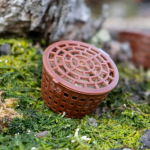
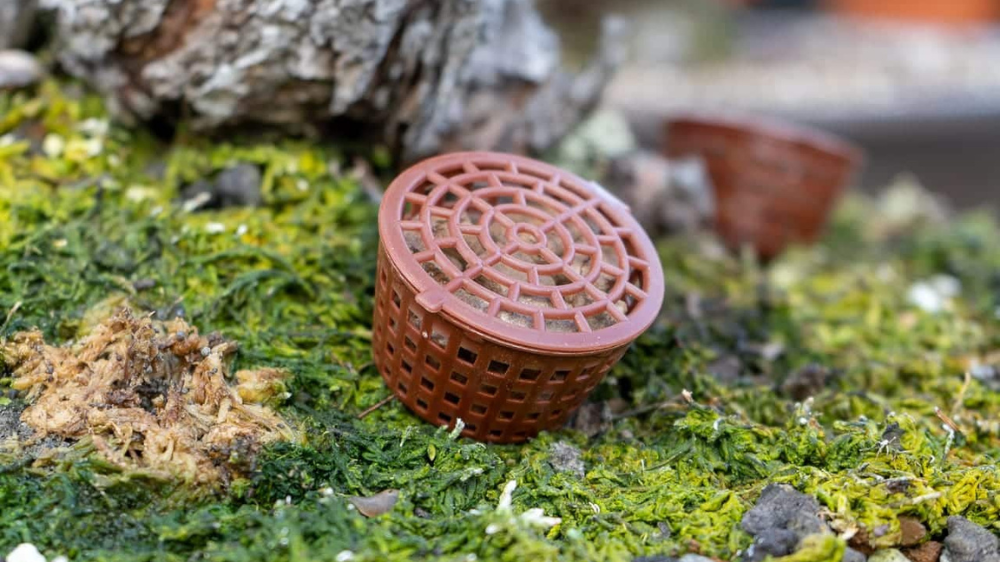
Organic Cakes
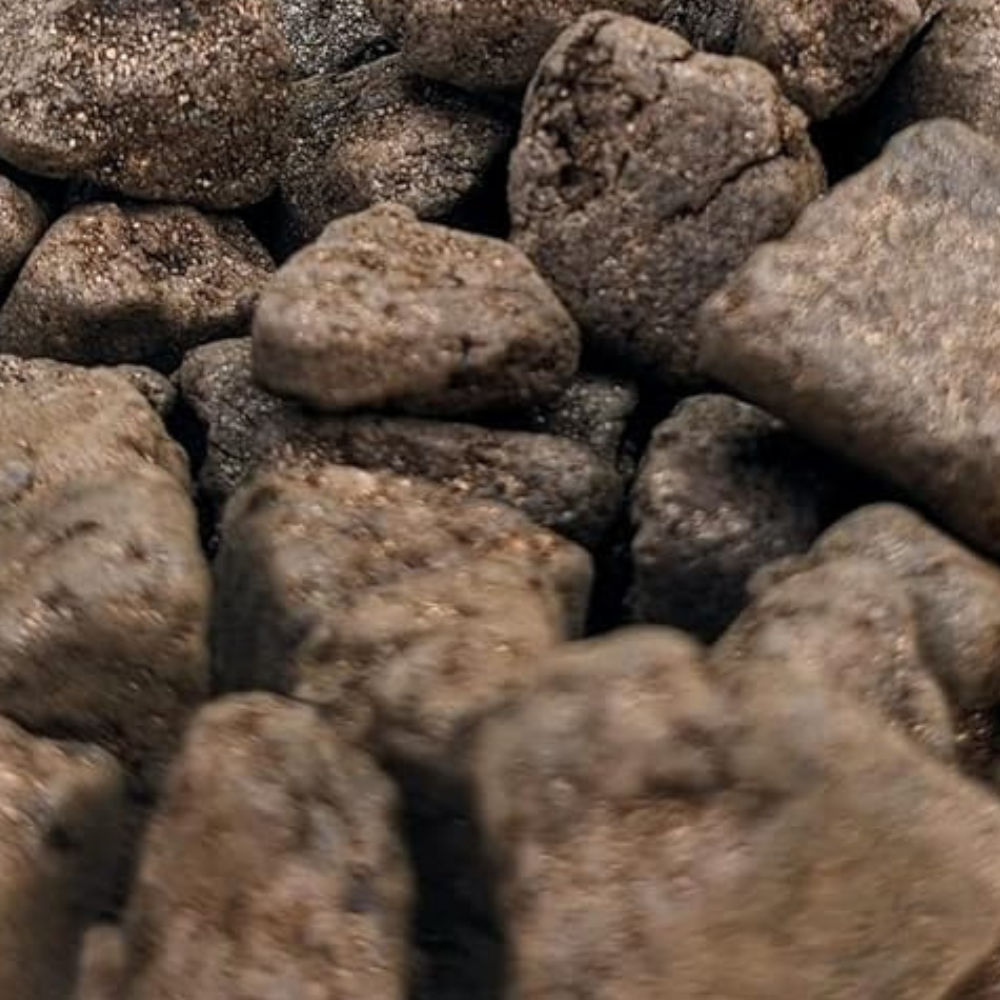
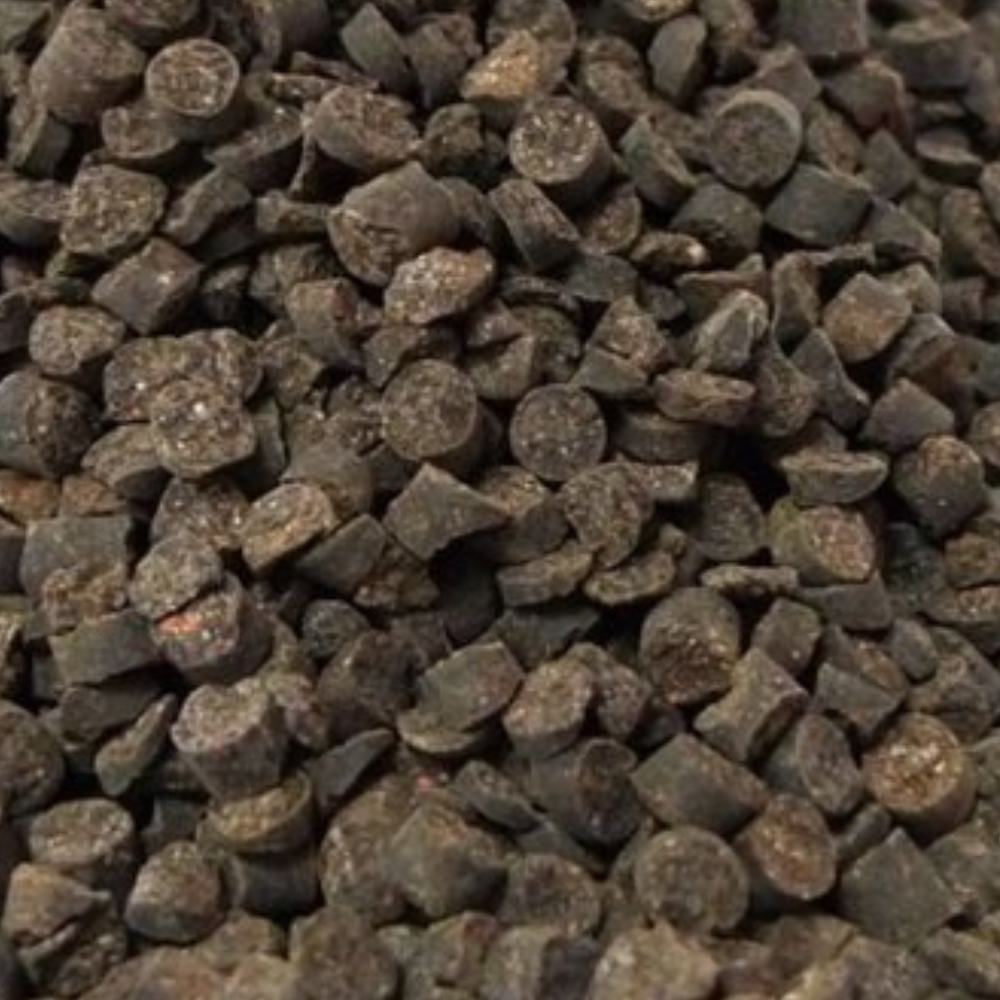
Traditional Japanese “pellets” (like Abrakas or Biogold). They ferment on the soil surface. Used for older, refined trees; promoting healthy soil microbes.
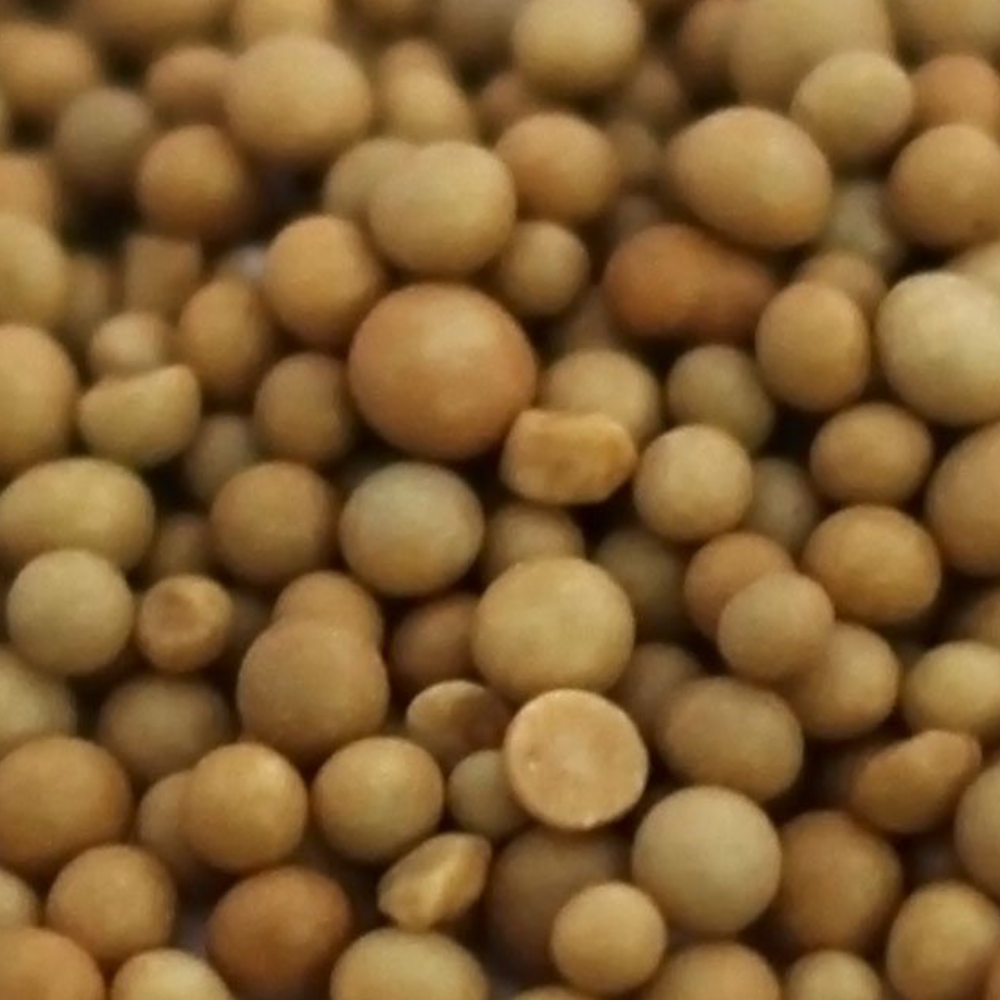
Synthetic Pellets
Resin-coated beads (like Osmocote). They release nutrients based on temperature and moisture. Used for developing “pre-bonsai” or trees in high-growth phases.
Organo-Mineral
A hybrid blend that offers the benefits of organic matter with a more predictable nutrient analysis. Used for all-purpose maintenance throughout the growing season.
Keep in mind that fertilizer is not actually food for trees. Trees produce their own nourishment in the form of sugars through photosynthesis. To carry out this process and grow properly, they depend on minerals called essential nutrients.
Using the correct amount of fertilizer helps supply any of these nutrients that may be lacking in the soil.
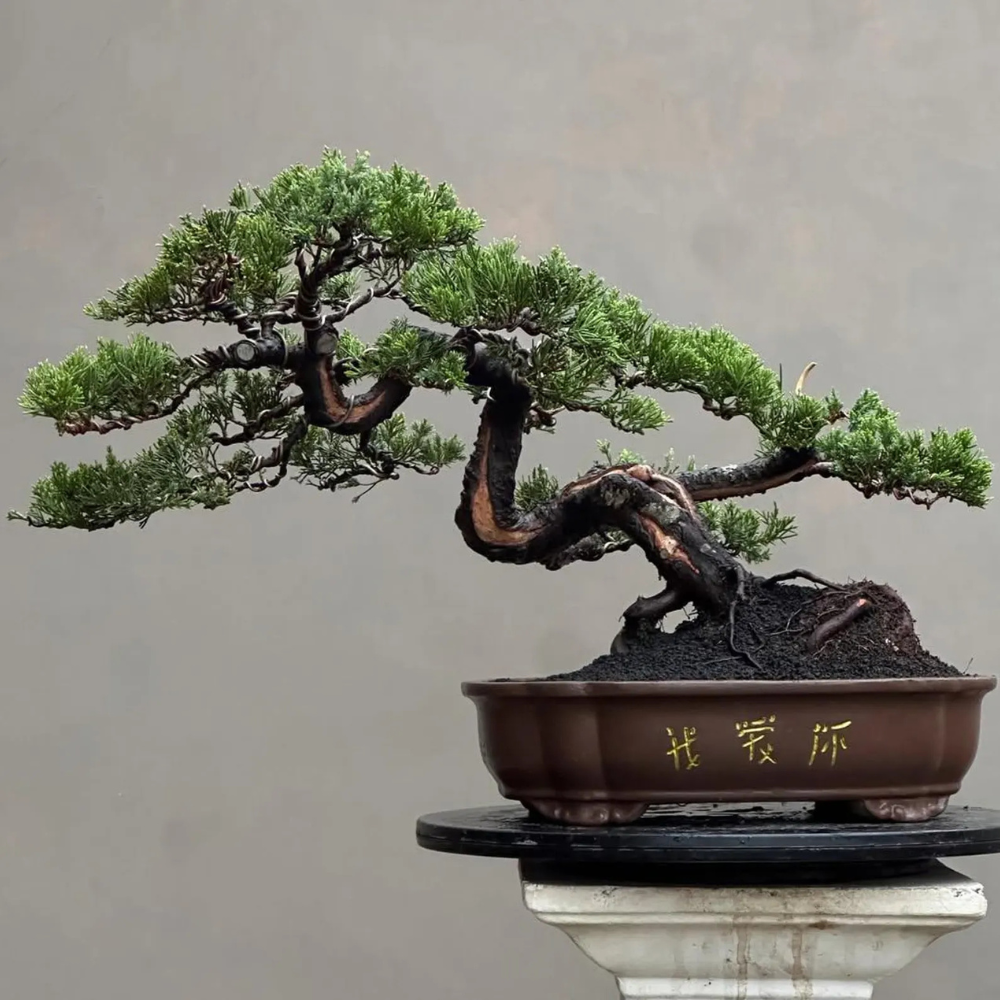
For Junipers and Ficus, the “ideal” N-P-K (Nitrogen-Phosphorus-Potassium) ratio shifts depending on whether you are trying to grow the tree’s structure quickly or maintain its current refined shape.
Since both species are generally hardy but have very different growth habits—one being a coniferous evergreen and the other a tropical broadleaf—here is how to approach their nutrition:
Organo-Mineral
A hybrid blend that offers the benefits of organic matter with a more predictable nutrient analysis. Used for all-purpose maintenance throughout the growing season.
For Growth/Development: Use a 12-6-6 or a balanced 10-10-10. Higher nitrogen (the first number) helps produce that lush, green “scale” or needle foliage.
For Maintenance: A balanced 5-5-5 organic fertilizer is often preferred. This prevents the tree from putting out “leggy” growth that ruins the silhouette.
Pro Tip: In late Fall, switch to a 0-10-10 or low-nitrogen blend. This stops new foliage growth (which could freeze) and focuses energy on strengthening the roots and wood for winter.
Fertilizing Ficus (Tropical Broadleaf)
Ficus are “heavy feeders” when kept indoors or in warm, humid environments. Because they don’t have a traditional dormancy period, they can be fertilized year-round if they are under grow lights or in a warm climate.
Standard Growth: A 10-10-10 balanced ratio is the gold standard for Ficus. It provides everything needed for trunk thickening and leaf production.
Rapid Development: If you are trying to grow aerial roots or thicken a branch, a 20-20-20 (diluted to half strength) can be used during the peak of summer.
Micronutrients: Ficus are prone to yellowing leaves if they lack magnesium or iron. Look for a fertilizer that includes “Trace Elements” or “Micronutrients” on the label.