By Mark Wallerich
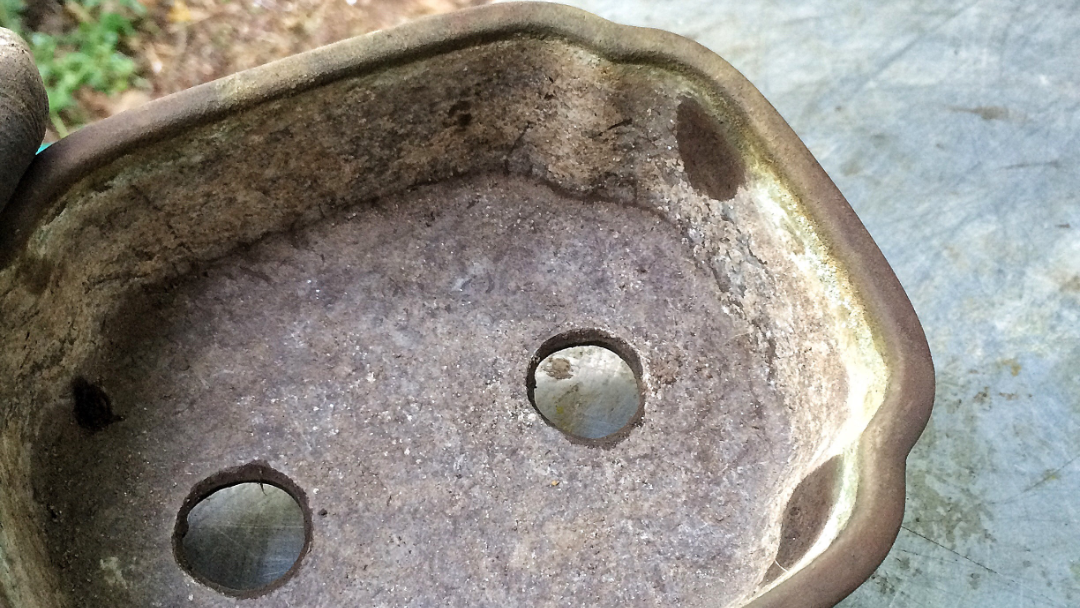
Cleaning bonsai pots after use is essential, not only to prevent disease transfer, but also to get rid of the calcium and magnesium deposits that normally build up due to mainly hard water or other reasons.
These deposits – also known as limescale, scale, or mineral deposits – are mostly neutral to basic (opposite of acidic) and can only be removed chemically or manually with acid, soap, scrubbing or all combinations. Let’s look at some of the methods that can remove these deposits from different types of bonsai pots.
Note that not all combinations of cleaning the pots or pot materials have been tested.
Safety First
When using acids and bases, it’s essential to prepare yourself and the work area to deal with these nasty chemicals that can cause permanent injury to your eyes, lungs and skin. Most of these chemicals are toxic if swallowed, dangerous to the touch, and harmful in concentrated forms.
You must work in a well-ventilated area, preferably outside, wearing chemical resistant gloves (nitrile), eye protection, and clothing protection as needed.
Breathing protection is also recommended if you’re working in an enclosed space or don’t have good ventilation.
· Gloves: Prolonged skin contact can cause severe irritation or even burns. Chemical resistant heavy-duty nitrile rubber gloves are generally available and recommended. The gloves should come halfway up your arm to the elbow, at least. Other compounds like latex and butyl rubber gloves are not recommended.
· Eye Protection: Exposure to vapor can cause irritation and eye burns. Direct contact with the eyes (splashing) can cause irreversible damage, including blindness. Goggles that prevent vapor transfer are preferred but, if working outdoors, regular safety glasses/goggles are okay to protect against chemical splashing.
· Clothing Protection: Prolonged skin contact can cause severe irritation or even burns. Any clothing in prolonged contact will be damaged and possibly destroyed. It’s recommended to use a chemical apron, preferably nitrile-coated cloth, to prevent chemical burns and protect your clothing.
· Breathing Protection: Inhalation may cause irritation of respiratory tract, coughing, and/or shortness of breath. If you’re using breathing protection, a mask that has activated charcoal filters is recommended.
Chemicals and Supplies
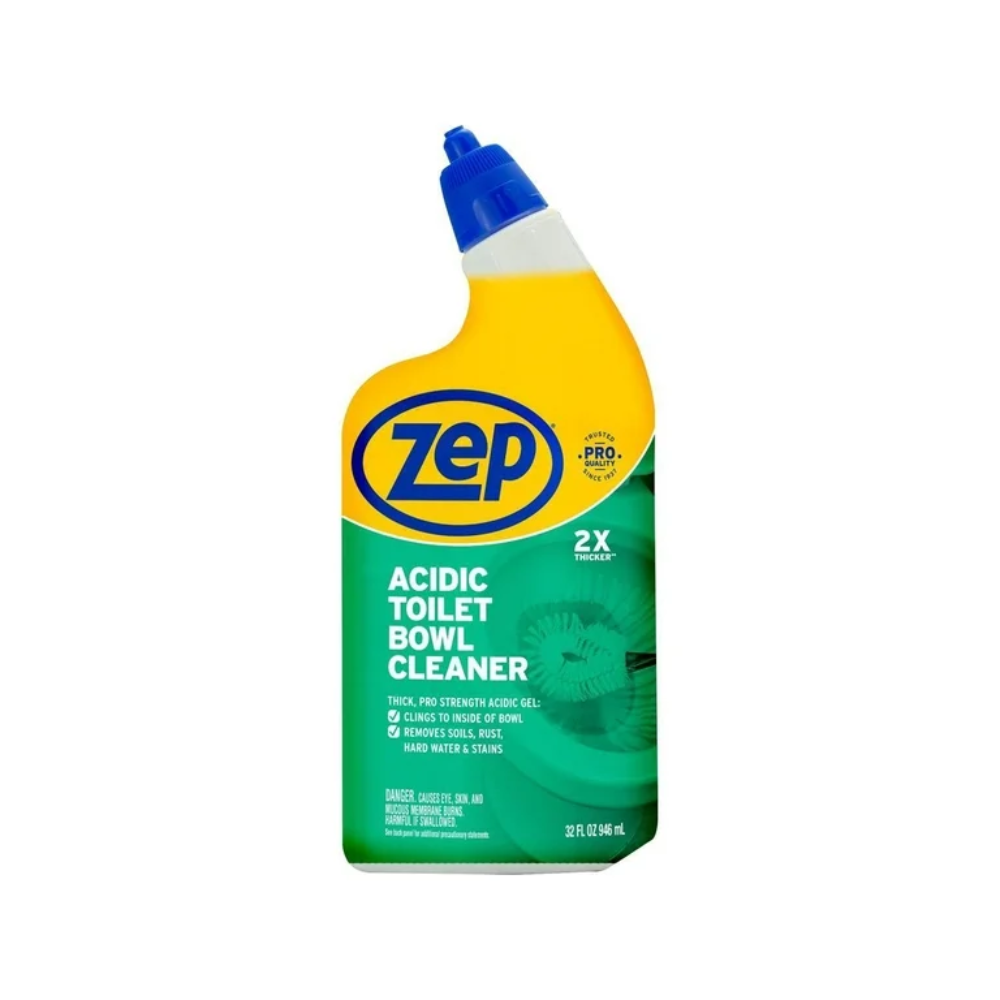
Acidic Toilet Bowl Cleaner: Acidic toilet bowl cleaner is highly corrosive and toxic, often containing Hydrochloric acid and Sulfamic acid. Some examples include Zep from Home Depot, Lowes, and Walmart or Ace Hardware’s own branded cleaner. Use at full strength with paint brush application or squirt on directly (all are gel form). Pool acid (Muriatic acid) can be substituted if it is watered down 3-to-1.
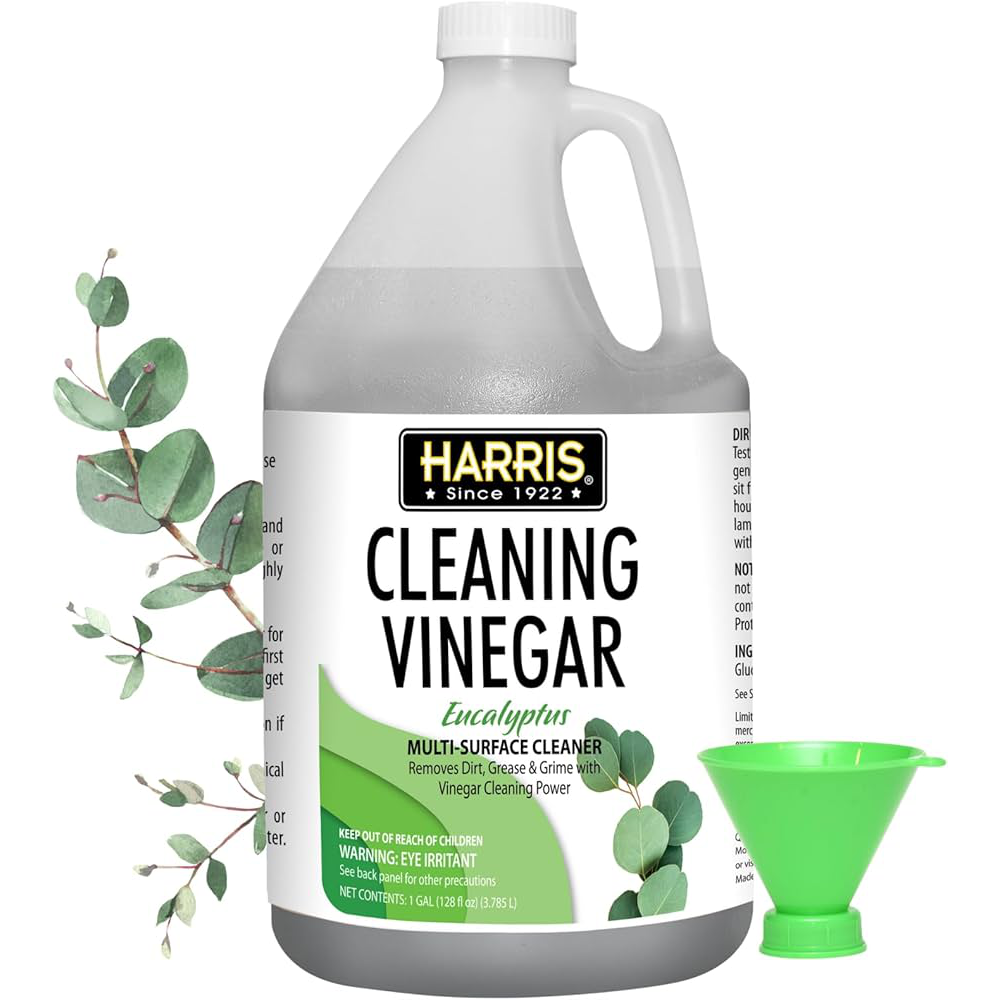
Cleaning Vinegar: Vinegar is a dilution of acetic acid (aka ethanoic acid). The general 3% solution is for general household cleaning, but there is a concentrated vinegar solution (sometimes available in hardware stores) that is 30% or more acetic acid. Acetic acid is not aggressive, but it can irritate skin, irritate lungs, damage your eyes, and can damage clothes. Use full strength.
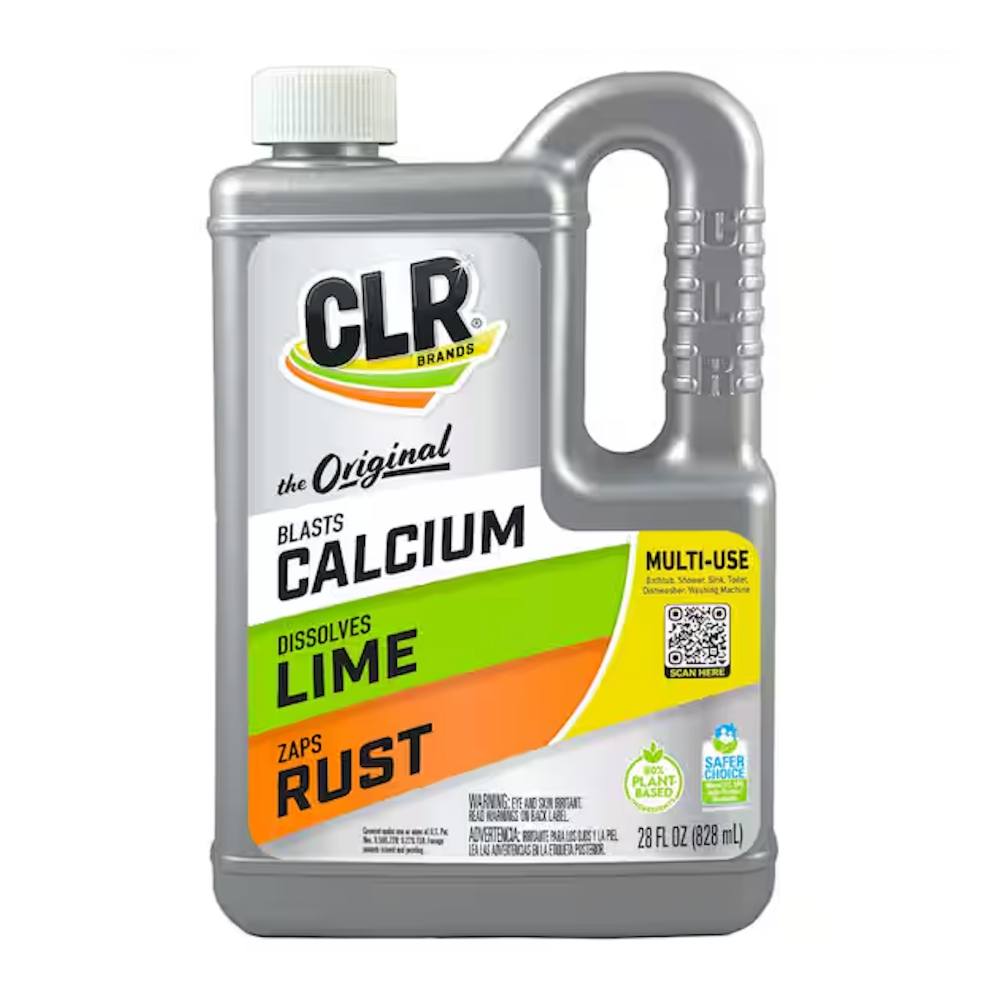
Calcium Lime and Rust Remover: Calcium Lime and Rust Remover is a general multi-use household cleaner for bathtubs, toilet bowls, sinks, and other surfaces. Some brands to look for include CLR and Zep. Use full strength. CLR contains lactic acid, lauramine oxide, gluconic acid, tripropylene glycol, and n-Butyl Ether (chemical percentages are proprietary). This cleaner is not particularly aggressive, but it can irritate skin, damage your eyes and can damage clothes.
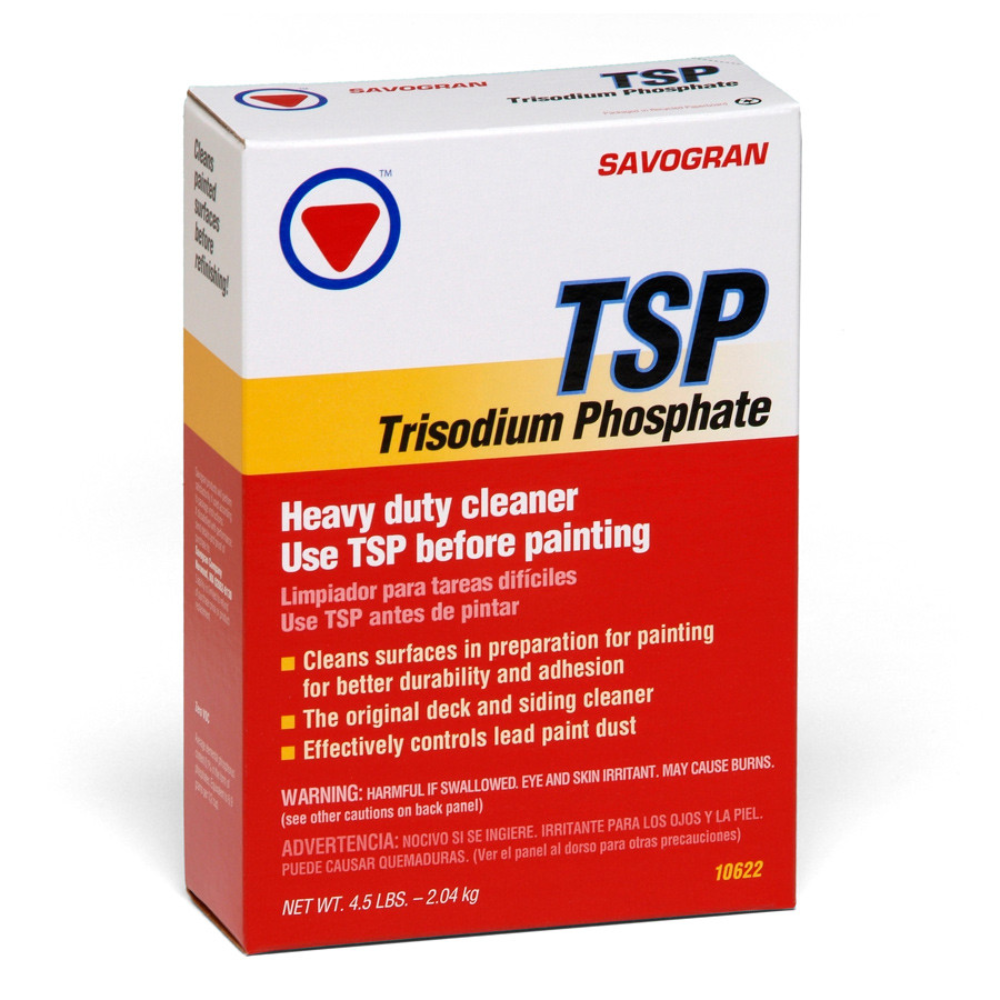
Trisodium phosphate: Trisodium phosphate (TSP) is a mixture of soda ash and phosphoric acid. It’s generally used as a multi-use industrial cleaner for just about anything that would normally require more caustic and poisonous chemicals. TSP can be supplied as a powder or liquid and does not create any fumes. It can be acquired at many hardware stores.
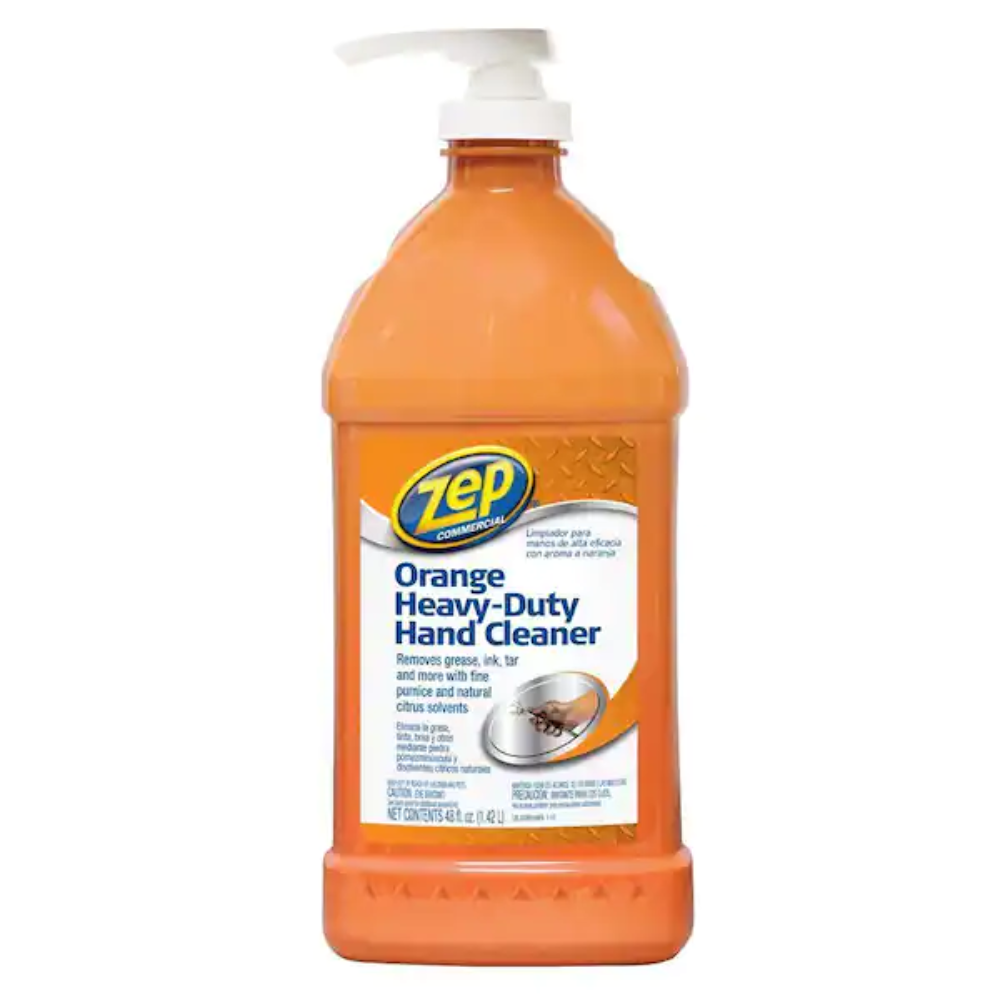
Orange/Citrus Soap Type Cleaner: Orange cleaner is a general multi-use household cleaner for just about anything. It’s good at cleaning a lot of dirt, oils, etc. from surfaces. While not particularly aggressive, it can irritate skin, or damage your eyes.
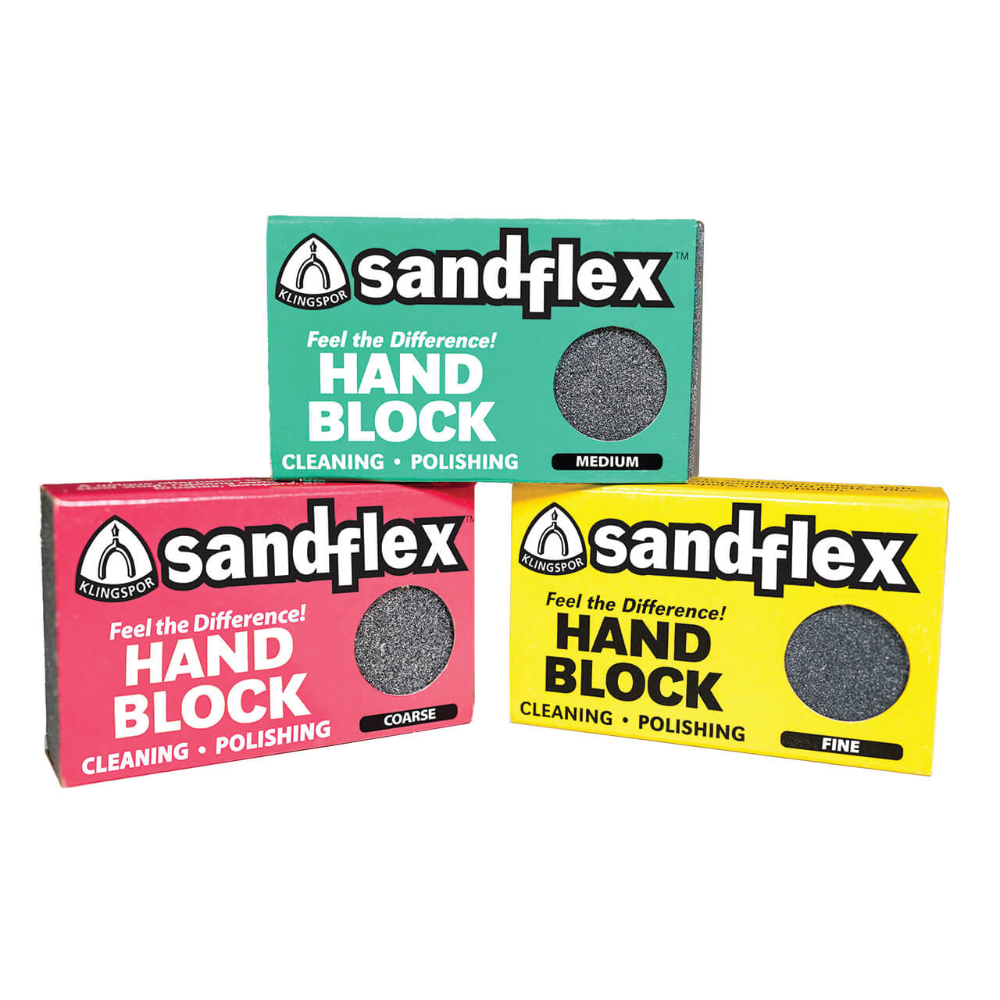
Abrasive Eraser: An abrasive eraser is an abradive rubber loaded with very fine sand. The product used in the tests was a Sandflex abrasive block in medium grade. Similar products are also available.
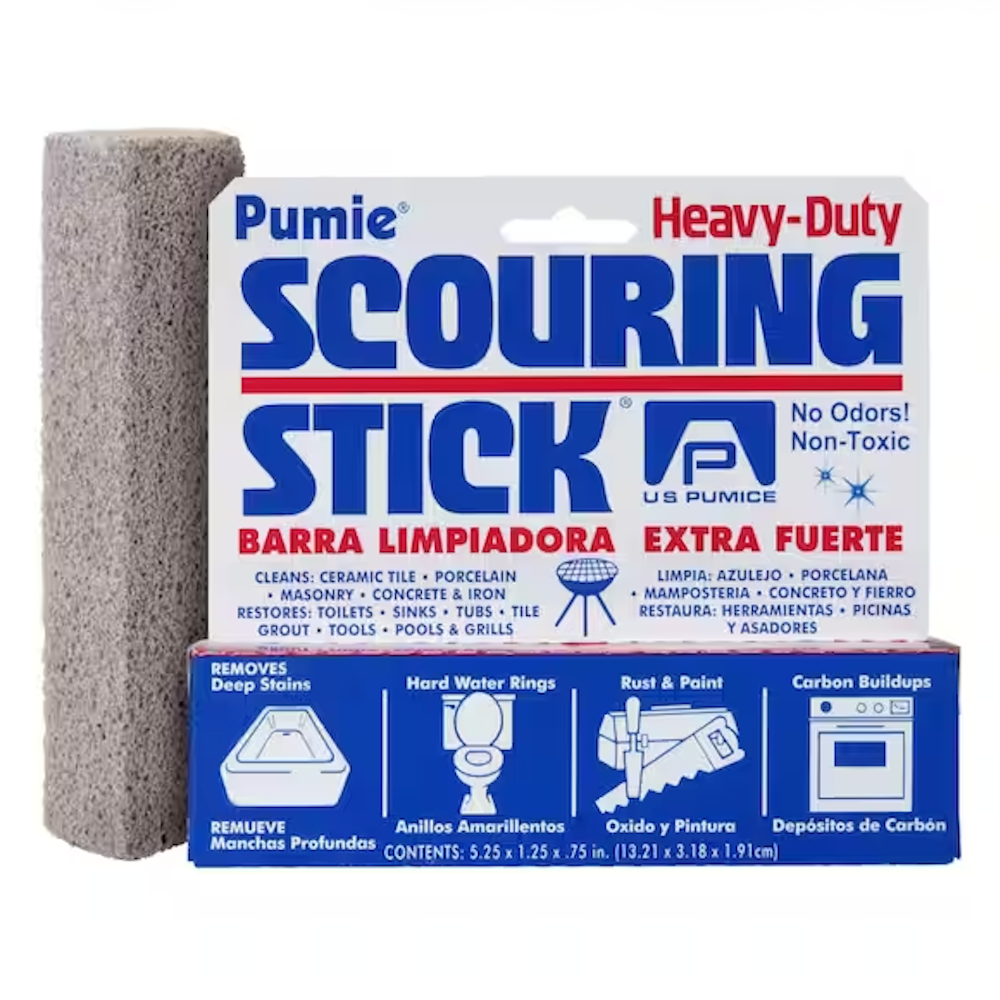
Pumice Scouring Stick: A pumice scouring stick is a light pumice and safe to use on glazed and non-glazed pots. These can be found at most grocery stores and are often used for cleaning calcium deposits from sinks, bath tubs and toilets.
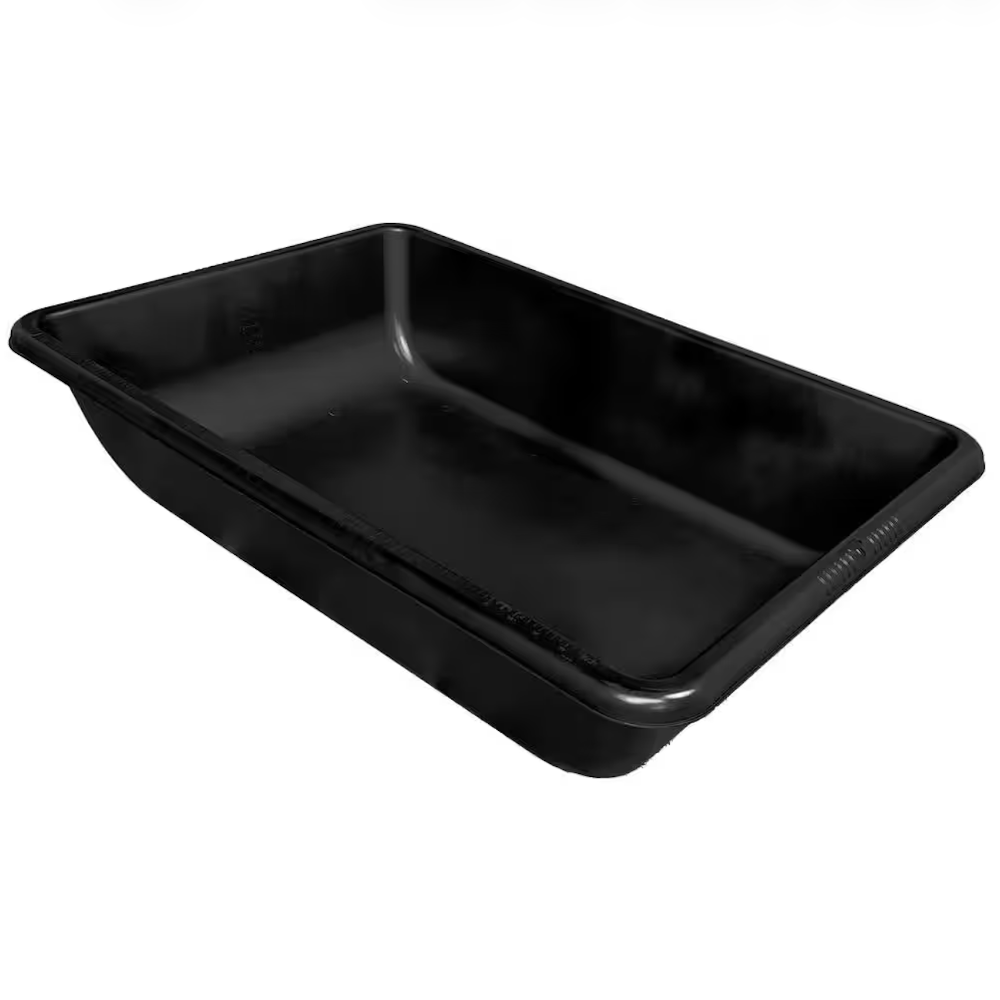
Concrete Mixing Tubs: You should ideally have two concrete mixing tubs. One is used for cleaning/scrubbing the pots and the other for rinsing/neutralizing the acid. These tubs are normally made from black Polypropylene (PP) and can be found at stores such as Home Depot and Lowes.
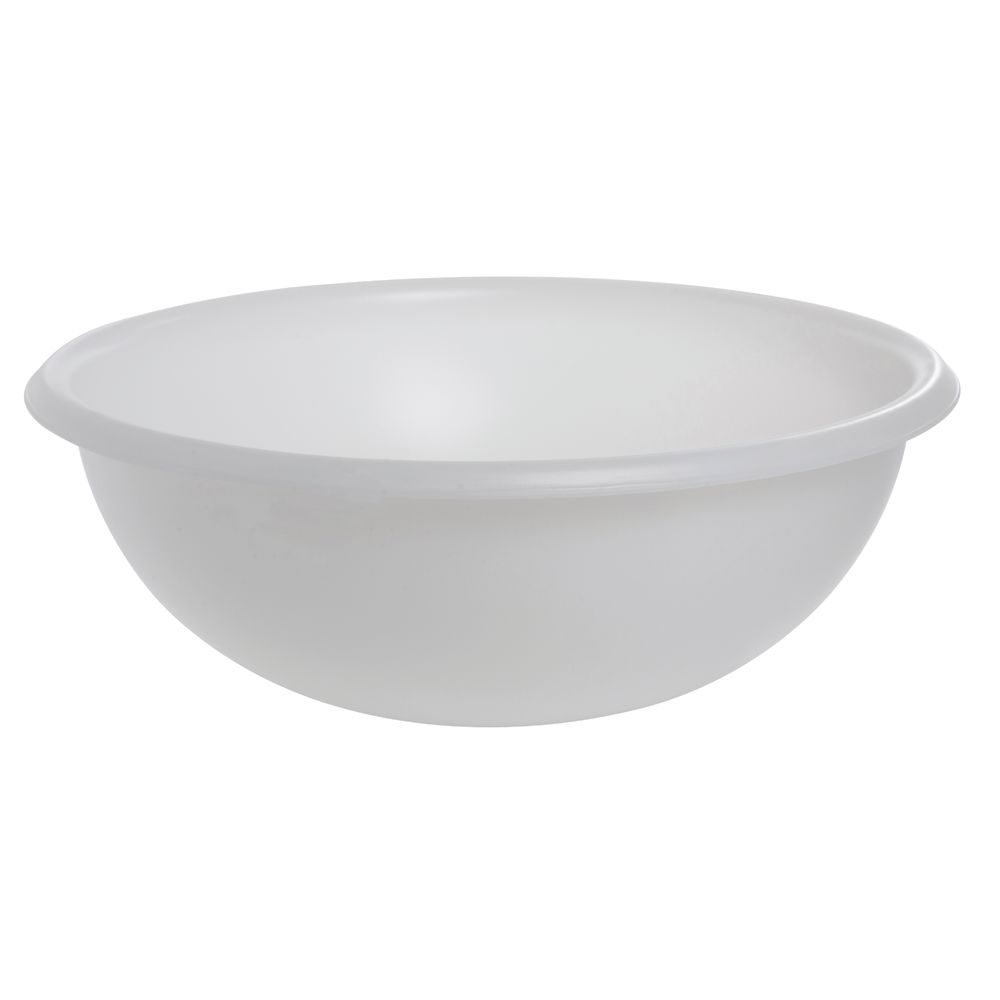
Plastic bowl: It’s recommended to have a plastic bowl made of high-density polyethylene (HDPE) or polypropylene (PP). When purchasing, select the ones that are identified with a triangle on the bottom with the numbers 1, 2, or 5. Do not use any of the other numbers.
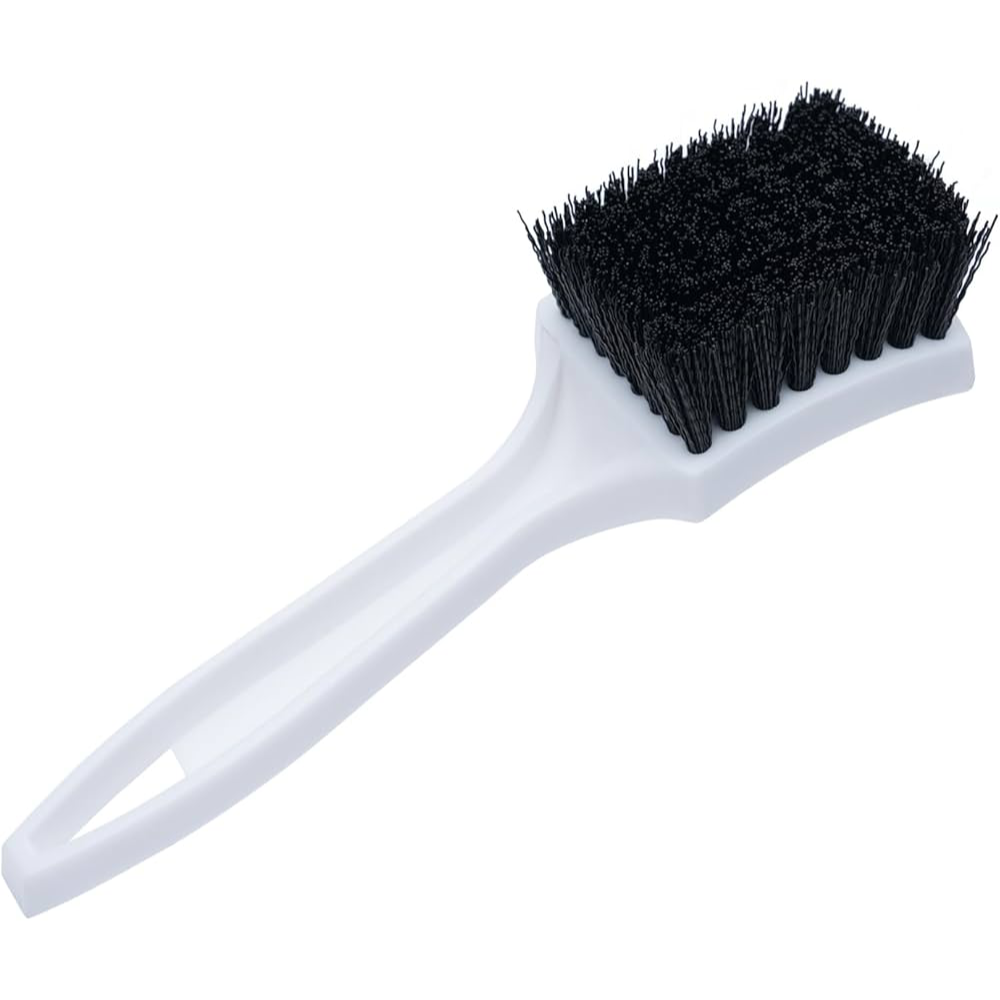
Nylon brush: Make sure to have a stiff nylon scouring brush to scrub the acid into the calcium deposits.
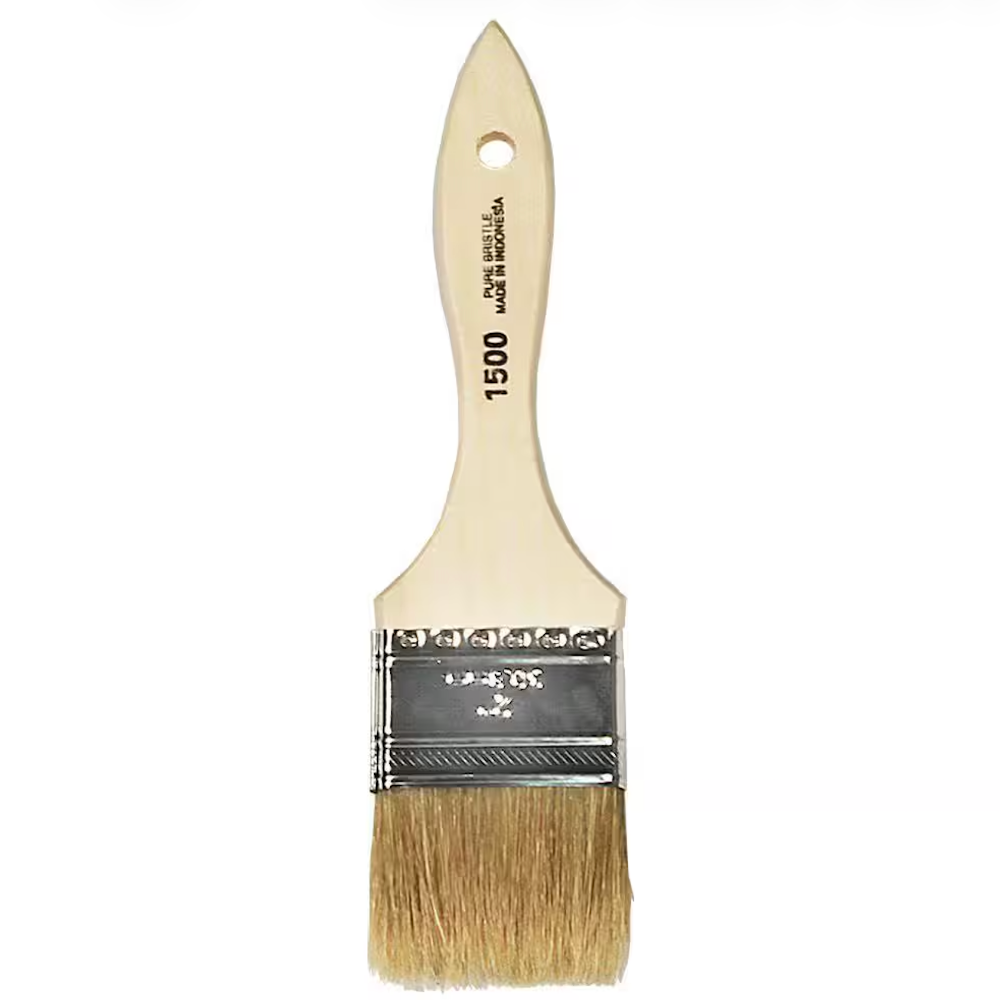
Paint Brushes: Cheap nylon or natural paint brushes can be used to paint the acid on the calcium deposits.
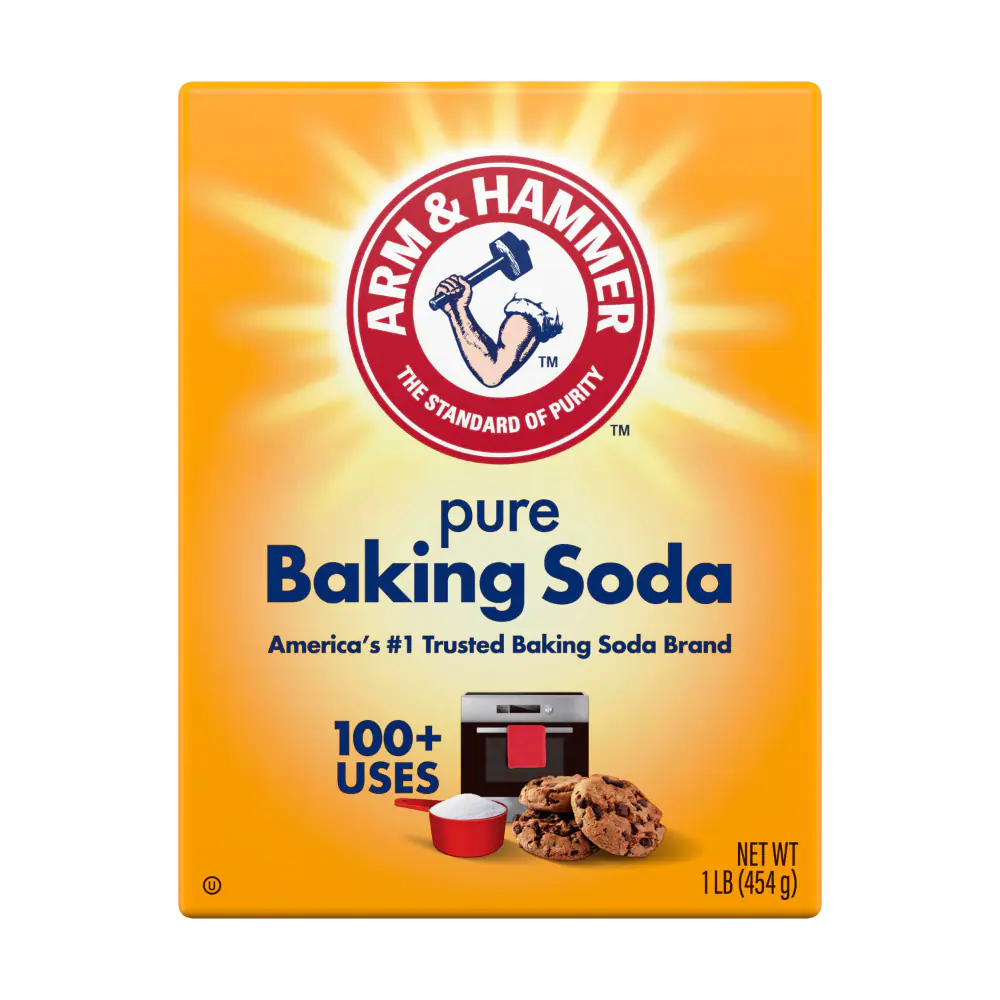
Baking Soda: Baking soda can be used for neutralizing acids. The powder can be sprinkled directly on the acids to neutralize them in the neutralizing concrete mixing tub while rinsing or mixed into water in the neutralizing tub.
Chemical Reactions
These are some of the chemical reactions that occur while cleaning bonsai pots:
- When acetic acid (vinegar) and baking soda (sodium bicarbonate) are mixed, they undergo a chemical reaction that produces water, carbon dioxide, and sodium acetate (a salt) (C₂H₃NaO₂).
- When hydrochloric acid (HCl) and baking soda (sodium bicarbonate, NaHCO3) react, they undergo a neutralization reaction that produces carbon dioxide, water, and sodium chloride (table salt).
- When calcium metal (the deposits) reacts with hydrochloric acid, it produces calcium chloride (CaCl2) and hydrogen gas (H2). Chemical equation: Ca + 2HCl → CaCl2 + H2. Hydrogen gas is highly flammable so don’t smoke or use flames around your work area.
- When hydrochloric acid (HCl) comes into contact with mica, no significant chemical reaction occurs. Mica is considered an inert mineral and generally does not react with most acids.
- When hydrochloric acid (HCl) contacts stoneware or ceramics with the concentrations noted herein, no significant chemical reaction occurs. For the most part, glazed and non-glazed bonsai pots are inert to acids.
- Trisodium phosphate (TSP) can be harmful to the environment because it can cause algae blooms and deplete oxygen levels in lakes and rivers. This can harm aquatic plants and animals. Do not dispose of TSP in any area that run into the water or sewer supply.
Cleaning Ceramic and Glazed Pots
Most earthen ware, stone ware, and ceramic bonsai pots can be cleaned by the methods below. Note that some custom earthen ware pots might be affected by strong acids. Soaps, cleaners, and the acids noted herein, can remove paint and other decorations to glazed and non-glazed pots. These types of pots were not tested and there may not be a good way to clean them.
The best approach to begin cleaning is to check a small spot on the bottom or inside to insure no damage and compatibility. Be sure to use a concrete mixing tub for cleaning the pots/containing the acid and another for rinsing/neutralizing the acid. Remember these chemicals are often more effective when warm or at room temperature.
Method 1
For light deposits on pots, the pot can be scrubbed with the abrasive eraser (Sandflex or similar) or a pumice scouring stick. It is better scrub while dry so you can see your progress. If you want to scrub wet, use water, household vinegar (3 to 5%), or citric acid (lemons, oranges, grapefruit, etc.). Let it soak for a while to loosen up the deposits.
After soaking, scrub the pot again with soap and water then wipe dry. Note that you may end up using a lot of pumice scouring sticks. A longer-lasting alternative is using the abrasive eraser.
This is the safest method so far and can be used after the acid cleaning and before subsequent final cleaning. Minimum safety requirements should be gloves.
Method 2
This method is used for medium deposits on pots. With the household cleaning +30% vinegar, pore some vinegar into a small bowl and paint it on the affected areas. Let it soak for a while (at least 30 minutes or more), to loosen-up/dissolve the calcium deposits. Scrub the affected area with the nylon scouring brush, pumice scouring stick, or the abrasive eraser to scrub away the deposits.
Reapply the vinegar and repeat the process until you cannot see any more calcium.
Once finished, rinse with baking soda and water to neutralize the acid and let dry. Sometimes the pot can be scrubbed dry with the abrasive eraser to remove any residuals noted. Scrub the pot again with soap and water and wipe dry. Repeat if necessary. The used acid solution should be neutralized with baking soda before disposal. Minimum safety requirements should be gloves.
Method 3
This method is used for medium-to-heavy deposits on pots. With the household cleaning +30% vinegar, submerge unglazed and glazed pots in the vinegar and soak it for extended periods to remove the calcium deposits. Inspect the pot occasionally to check on the calcium removal. This can take up to 30 days. Scrub the pot occasionally with the nylon brush.
After cleaning, soak the pot in water for 30 minutes minimum to neutralize any remaining acid. Sometimes the pot can be scrubbed dry with the abrasive eraser to remove any residuals noted. Scrub the pot again with soap and water and wipe dry. Repeat if necessary.
Note these household cleaning vinegar vapors can be intense. Minimum safety requirements should be gloves, goggles with recommended protection for breathing and clothing.
Method 4
This method is used for medium-to-heavy deposits on pots and can be used for glazed and non-glazed pots that are not decorated with paint or other applied decorations.
With the acidic toilet bowl cleaner, pore some into a small bowl and paint it on the affected areas. Let it soak until it stops bubbling (5 minutes or more). Scrub the affected area with the nylon scouring brush, to scrub away the deposits. Repeat the process until you cannot see any more calcium. Soak the pot in a baking soda/water tub to neutralize the acid, then rinse with water and let dry. Repeat if necessary. Sometimes the pot can be scrubbed dry with the abrasive eraser to remove any final residuals. Scrub the pot again with soap and water and wipe dry.
Once finished, the used acid solution should be neutralized with baking soda before disposal. Minimum safety requirements include gloves, goggles, and recommended clothing protection.
Method 5
This method is primarily be used for glazed and non-glazed pots that are not decorated with paint or other applied decorations.
With the trisodium phosphate (TSP) powder, mix according to instructions for the industrial/stronger solution. Submerge the pot in the TSP and let it soak for an extended period (it can be a week or more). Scrub the affected area with the nylon scouring brush, abrasive eraser or pumice scouring stick to scrub away the deposits. Repeat the process until you cannot see any more deposits. Rinse with water and wipe dry. Check for deposits and repeat if necessary.
Once finished, dispose of the TSP in a manner that will not get into a water system or lake. You can use it in your yard as TSP is sort of a fertilizer. Minimum safety requirements include gloves.
Cleaning Mica Pots (from Korea)
Mica pots are made of mica powder and plastic. Methods 2, 3, 4, and 5 from above can be used for cleaning these pots except the pumice scouring stick, or abrasive eraser, should not be used. Both the pumice scouring stick and the abrasive eraser abrades the surface and removes some of the pot. The safest option for scrubbing mica pots is using a nylon scouring brush.
Cleaning Plastic Pots
Don’t use a pumice scouring stick, or abrasive eraser on plastic pots, as this will scratch the surface. If the pot is identified on the bottom with the type of plastic as high-density polyethylene (HDPE) or polypropylene (PP), then you may use the chemical removal methods 2, 3, and 4.
If there is no plastic identification on the pot, it might be damaged by hydrochloric acid, so use method 2, 3, or 5, but it should be tested in a small spot first. If there is any damage, do not use that method. Try cleaning with soap and water, orange cleaner, or CLR. Minimum safety requirements include gloves.
Test Results using Methods 1 – 5
Method 1 was not very effective on any pots with medium-to-heavy deposits and was labor-intensive. The Sandflex abrasive block in course or medium grades worked best. Testing was done using the medium grade. The pumice scouring stick does work, but it abrades away very quickly. Using the abrasives on mica pots does roughen the surface and removes some pot material.
Method 2 was more effective than the previous while using the concentrated vinegar at warm or room temperature. This also causes the smell of vinegar to be extremely prominent. The abrasive block or pumice scouring stick was not affected by the vinegar.
Method 3 had us soaking the pots for extended periods of time using the concentrated vinegar which worked better than method 2. Similar to previous method, using the vinegar at warm or room temperature caused the smell of vinegar to be extremely prominent.
Method 4 was the most effective, and cost-effective, method for the glazed and non-glazed pots for medium and heavy deposits. Following up using the abrasive eraser dry and soap/water wash worked well.
Vapors from the acidic toilet bowl cleaner were not noticeable. Muriatic acid diluted 3-to-1 can be substituted but protect yourself from vapors.
Method 5 uses Trisodium Phosphate (TSP) as a soap but doesn’t actually dissolve the calcium deposits. Rather, TSP gets underneath the deposits to lift them off the surface. This method has not been confirmed yet, as it was too cold outside to get a proper reaction. No vapors were noted.
Final Thoughts
- The chemicals and cleaners used here are more effective when at room temperature or warmer.
- Regardless of the method used and after the deposits are removed, the pot should be scrubbed with soap and water to remove any residuals and wiped dry.
- Some of the pots used for this testing have had bonsai in them for more than 20 years, so the deposits can be quite substantial. Some of the mica pots tested were used for +30 years and show some surface degradation and aging from weathering. Some heavy deposits can be chipped off.
- Using power tools (die grinder, drill, etc.) with a grit abrasive wheel or a rubber with grit wheel should not be used – it’s too aggressive. Sand blasting using glass beads at low pressure is not cheap nor recommended.
- Using a pressure washer with a soap/water mix might work but might damage painted pots and other decorations.
- Scrubbing using steel wool, metal scrubbing pad, or using a metal brush is not advised as there is a good chance that you can leave metal in the surface of the pot which is difficult to remove and can rust.
- A scotch bright pad for metal (reddish color) should not be used on glazed pots as the grit is very hard and can scratch the glaze surface; unglazed pots should be okay.
- Note: Calcium Lime and Rust (CLR) remover changed their formula a while ago. As a result, the cleaner is not quite as effective as it once was, but it still works well.
- Note: The pumice scouring stick abrades away quickly and is not affected by the acids used here.
- The abrasive eraser (Sandflex course or medium grades or similar) lasts a lot longer than a pumice scouring stick and does not seem to be too affected by the acids noted.
- It has been noted that citric acid (lemons, oranges, grapefruit, etc.) can be used also to dissolve some of the deposits. This would be used in method 1.
- None of the painted or decorated glazed and non-glazed pots were tested. Although, one old grey textured non-glazed pot lost a bit of patina with the pumice scouring stick.
- NOTE – For final removal of deposits, the most effective way was to use the abrasive eraser dry on glazed and non-glazed pots.
- For some of the deposits where the acid or other cleaning methods don’t completely work, a final cleaning in the dish washer, calcium lime and rust remover (CLR or similar), orange/citrus soap type cleaner, trisodium phosphate (TSP) or with soap/water soak and brush scrub might take off the last bit of deposits. Be careful with the dish washer and plastic pots as the heat can melt the pot.
- To prevent calcium build up on pots, the outside can be coated with a thin layer of mineral oil. Rub in and then wipe the pot down with a clean cloth.
Other cleaning methods and cleaners may be used, but it should be tested first.
References
- Occupational Safety and Health Administration (OSHA) Safety Standards
- Book – Materials Selector Book by Materials Engineering, 1985 to present
- MSDS (material safety data sheet) for CLR Bath & Kitchen Cleaner
- MSDS (material safety data sheet) for Zep Brand Acidic Toilet Bowl Cleaner
- Google AI Overview generation with “Pool acid”, “White vinegar”, ”Trisodium Phosphate (TSP)”, “triangle identification of plastics containers”, “What is the deposits from hard water”, and “environmental of Trisodium phosphate”.
- Google AI Overview generation with Chemical reactions of “acetic acid and baking soda”, “hydrochloric acid and baking soda”, “hydrochloric acid and Mica”, and “chemical reaction hydrochloric acid and stoneware pots”.
- Discussions with Phoenix Bonsai Society members who have had success in removing the calcium deposits.
- Experience with acids and bases in a metallurgical lab for 1 ½ years.
Key points about plastic triangle identification on plastic items:
- Number 1 (PET): Polyethylene terephthalate, often used in water bottles (quite often Polypropylene is identified as 1).
- Number 2 (HDPE): High-density polyethylene, commonly used in milk jugs and some juice containers.
- Number 3 (PVC): Polyvinyl chloride, not recommended for food contact due to chlorine content.
- Number 4 (LDPE): Low-density polyethylene, found in plastic bags and squeeze bottles.
- Number 5 (PP): Polypropylene, often used in yogurt containers and some food storage containers.
- Number 6 (PS): Polystyrene, commonly found in Styrofoam.
- Number 7 (Other): Any plastic not included in the previous categories, often polycarbonate.
NOTE – This is mostly followed by manufacturers but not always. When in doubt, use the letters/abbreviation under the triangle. HDPE and PP are safe to use for acid/base exposure, other plastic designations are not completely safe to use. Strong acids and bases will harm a lot of plastics.