By Jim Ireland
Ficus trees are the cornerstone of tropical bonsai and are celebrated for their vibrant, waxy foliage, striking aerial roots, and diverse bark textures.
Why are Ficus so popular?
Ficus are some of the best choices for bonsai—especially indoors—because they’re hardy, forgiving, and respond well to pruning. The genus belongs to the family of mulberry plants or Moraceae, and can be found on every continent in the tropic regions.
Here are the most popular types of ficus used for bonsai, along with what makes each one unique:
One of the most popular bonsai species, Tiger Bark Ficus (Ficus microcarpa or retusus) can be identified by its distinctive mottled “tiger-like” bark and small, oval-shaped leaves.
These have strong roots and are excellent for shaping and tolerating mistakes well – making them a perfect choice for beginners!
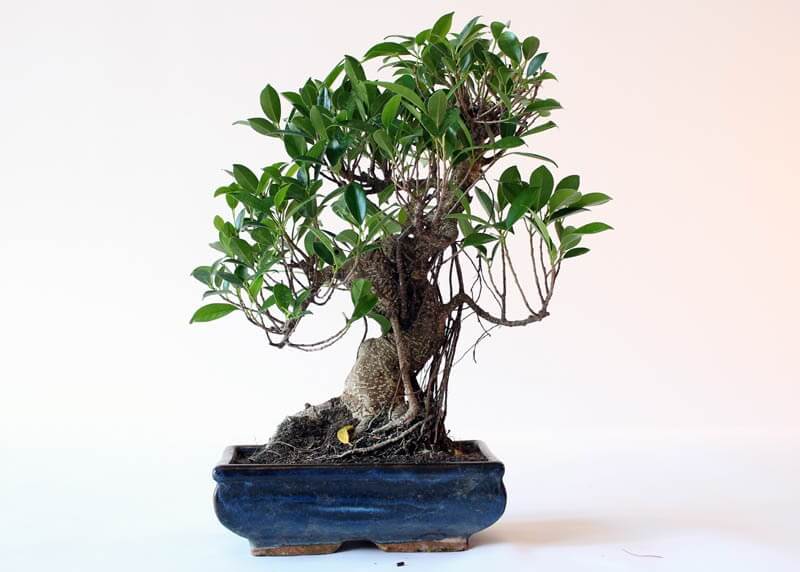
Often sold in malls or garden centers, Ginseng Ficus (Ficus microcarpa) can be identified by its thick trunk with aerial roots (especially in humid conditions).
These are frequently used for “ginseng-style” bonsai (bulbous roots) and are very adaptable indoors being easy to maintain.
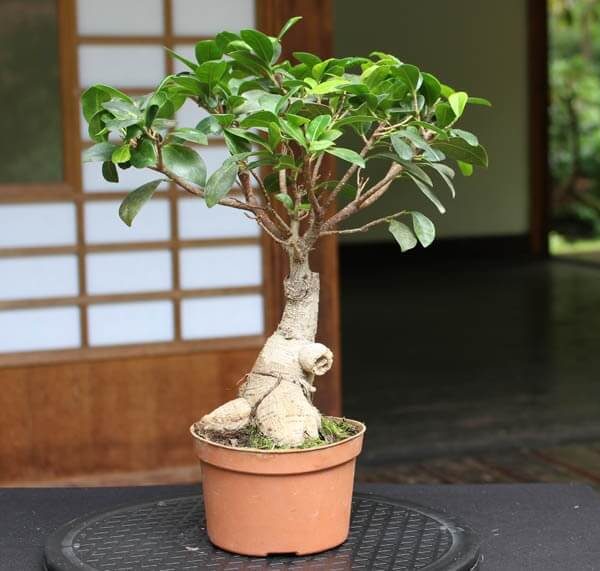
Green Island Ficus (Ficus microcarpa) is easily recognized by its dense growth, glossy dark green leaves, and naturally compact shape.
One of the most beginner-friendly varieties, these have sturdy branches and respond well to pruning, making them ideal for shaping while being forgiving of occasional mistakes.
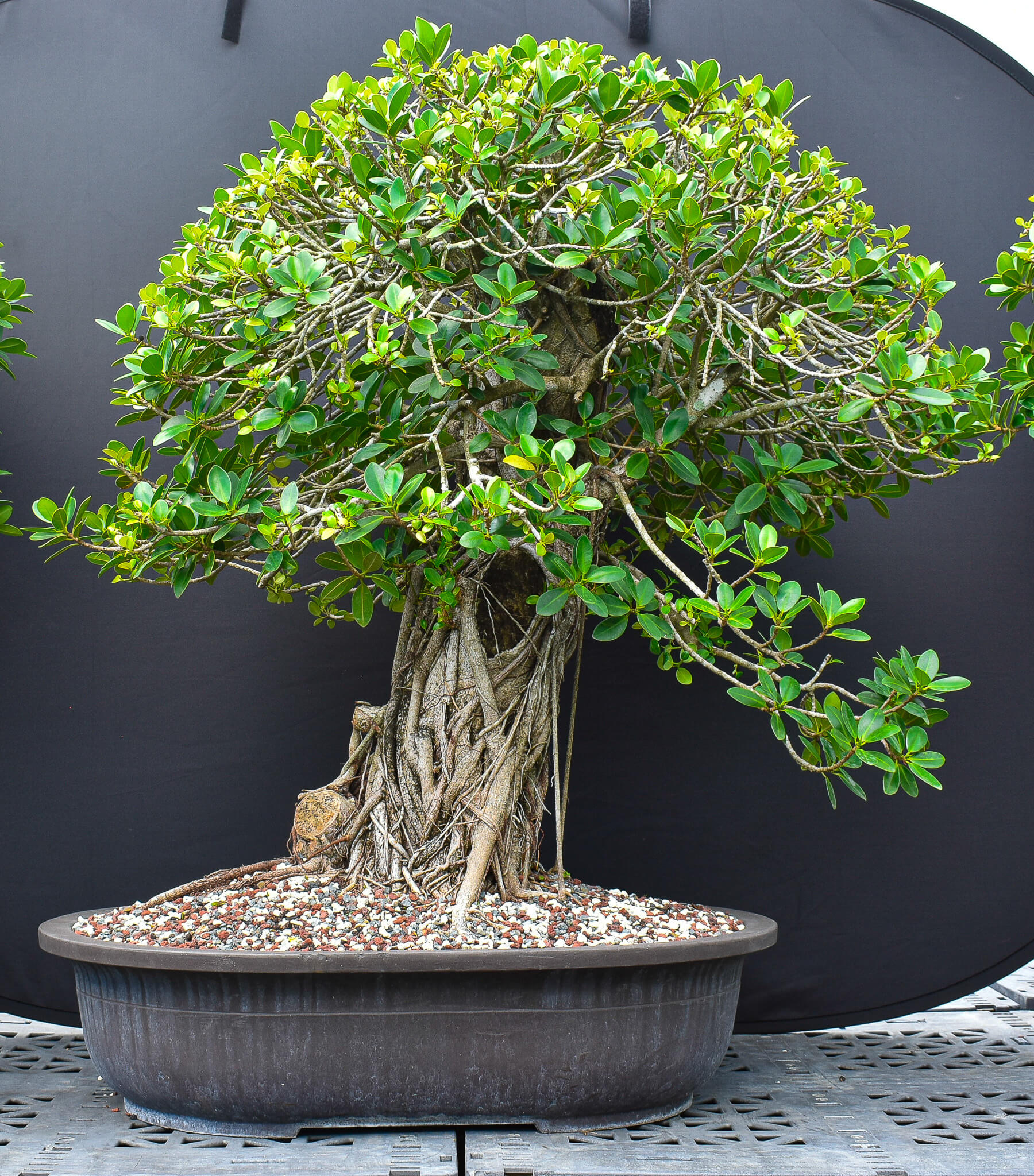
Graceful with drooping branches, the Weeping Fig Ficus (Ficus benjamina) has significantly smaller leaves than many ficus.
It is more sensitive than other ficus varieties and can drop leaves if stressed. These are better for intermediate growers who have some experience with sensitive trees.
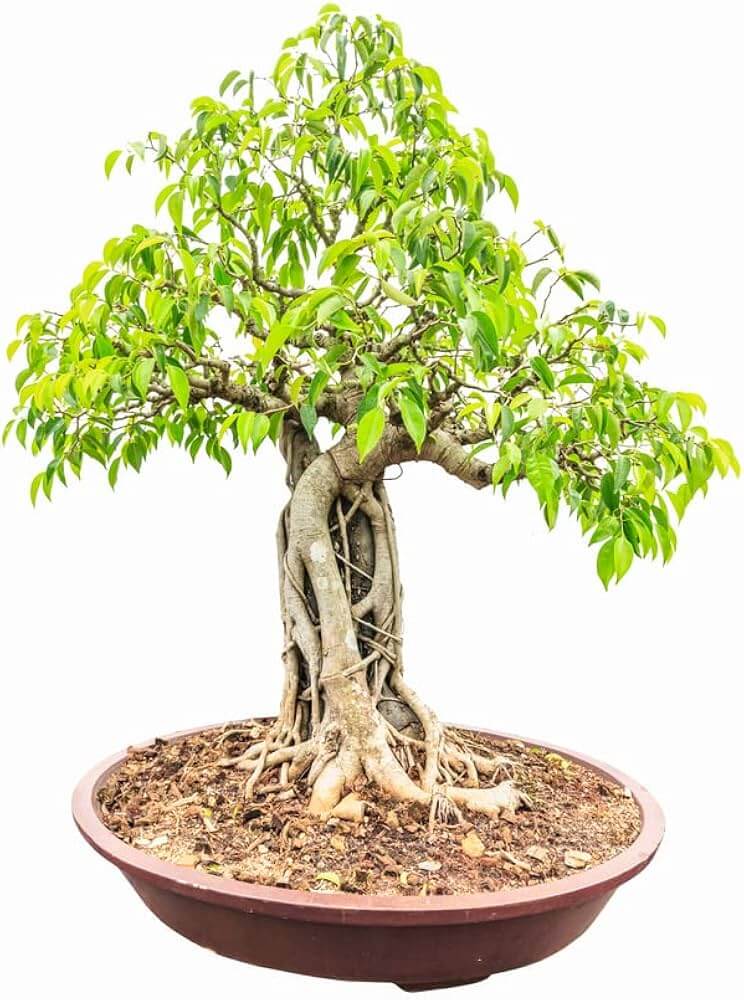
Sacred Fig (Ficus religiosa), also known as the Bodhi Tree, is recognized by its heart-shaped leaves with long, tapering tips.
This fast-growing species requires more frequent pruning to maintain bonsai scale due to its larger leaves, but it rewards growers with beauty and deep symbolic significance, as it is traditionally associated with the enlightenment of the Buddha.
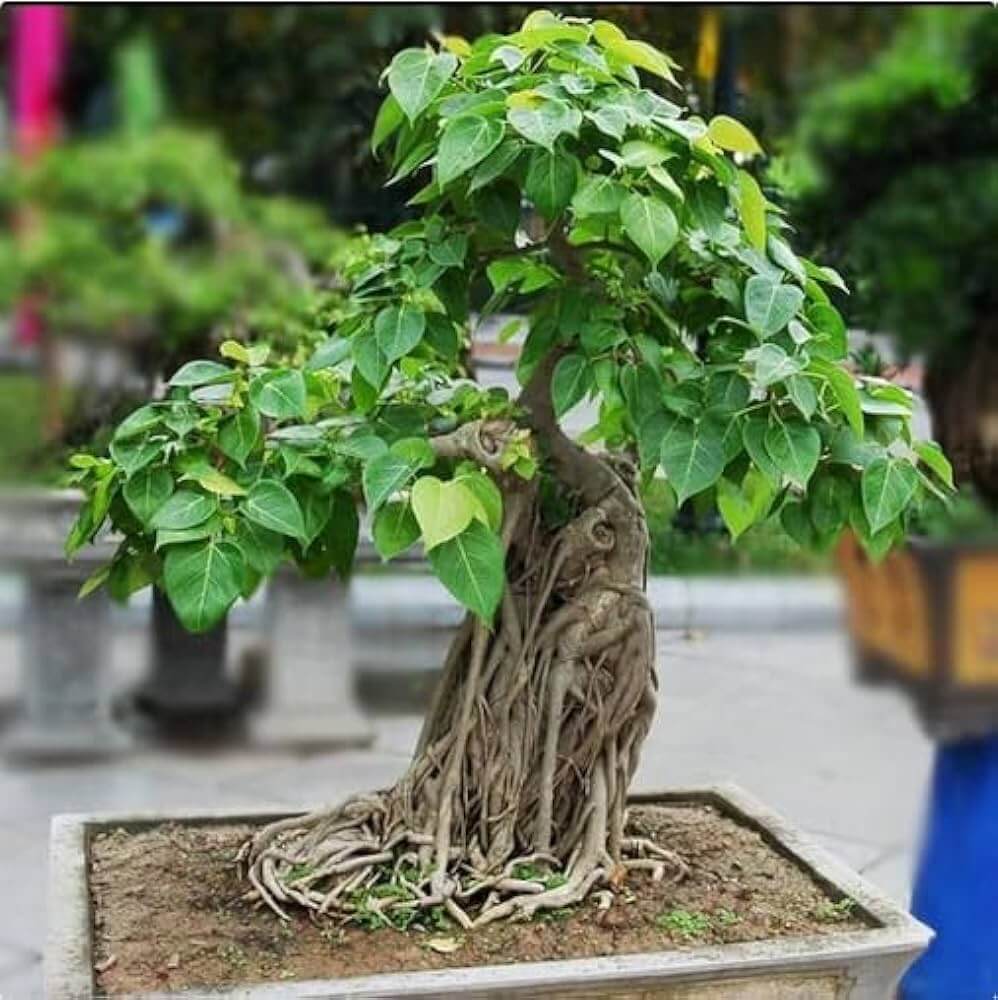
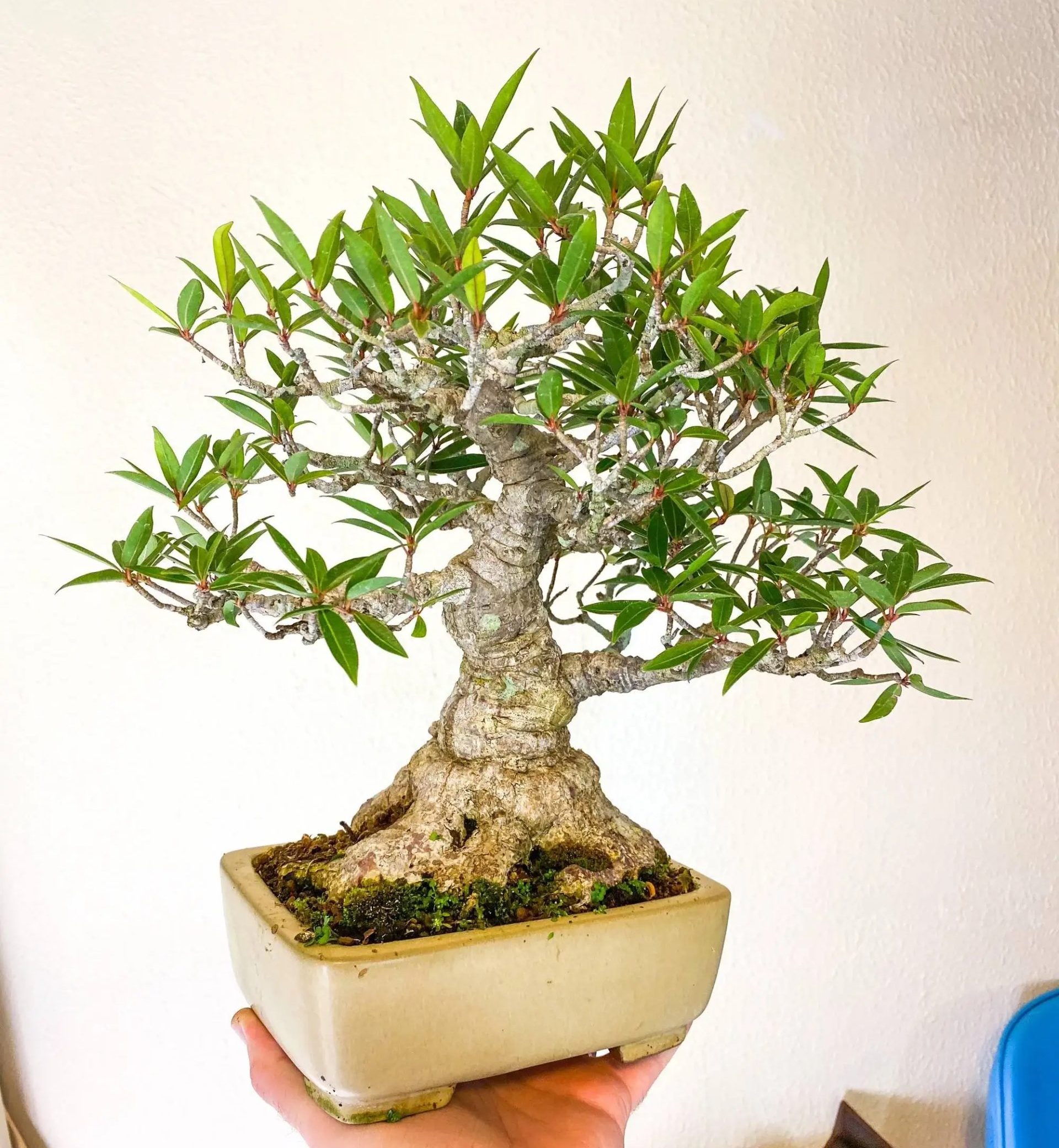
A favorite among experienced enthusiasts, the Willow Leaf Fig (Ficus nerifolia) is prized for its narrow, elongated leaves that create realistic tree proportions.
Its fine branching structure makes it ideal for more refined bonsai styles, and while it’s less common, it’s highly valued for the level of detail and elegance it can achieve.
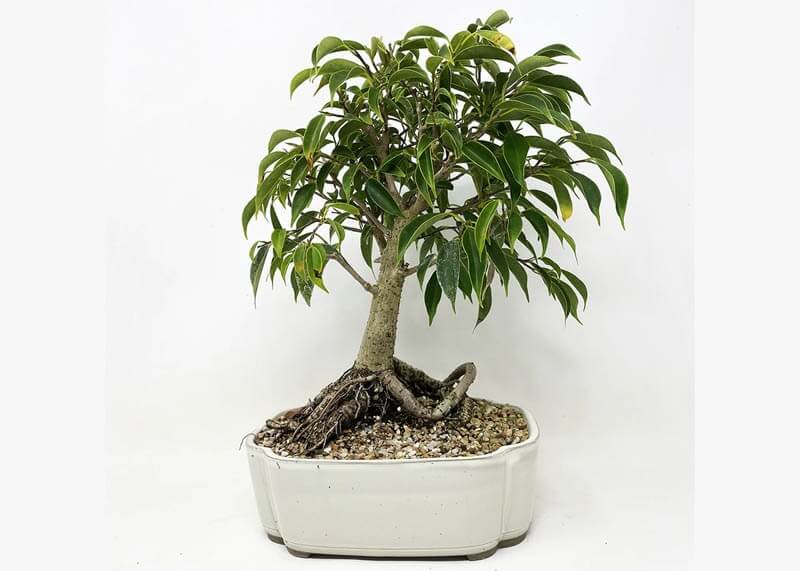
A refined and elegant choice, Wonderboom (Ficus salicaria) is closely related to Ficus nerifolia and shares many of its graceful qualities.
With slender leaves and naturally flowing branching, it lends itself beautifully to detailed, artistic bonsai work—perfect for growers looking to create more expressive, stylized trees.
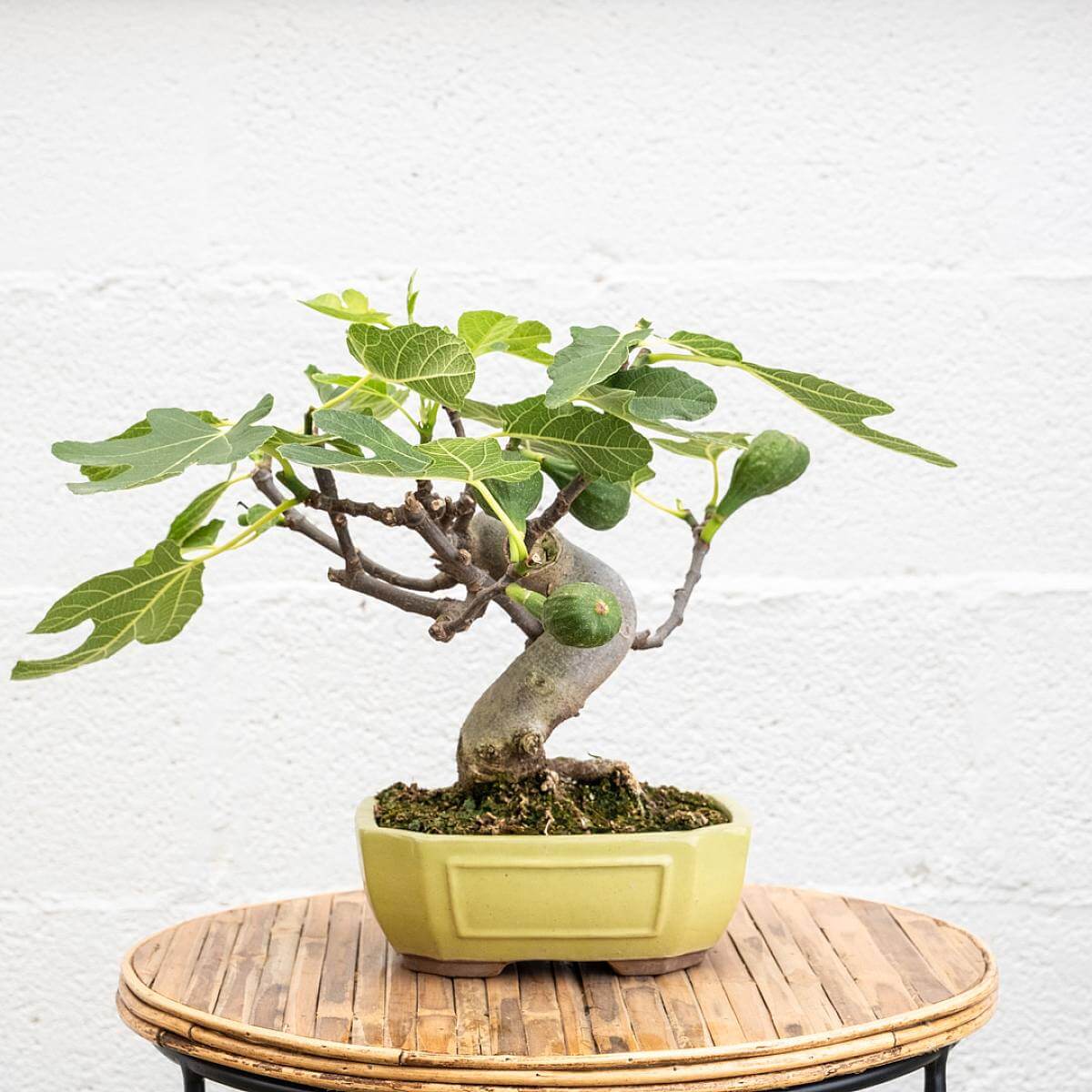
One of the more unique species, the fast-growing Common Fig (Ficus carica) stands out for its ability to produce real figs and its large, heart-shaped leaves with long tips.
Unlike other ficus, it is deciduous and better suited outside in warm climates. While the larger foliage can be more challenging to miniaturize, it offers a distinctive, seasonal character.