By Jim Ireland
The Basics of Bonsai Soil
For many bonsai enthusiasts, their first tree came from a big box store, mall, or roadside stand. Typically, these trees come planted in garden or potting soil, which is not a suitable substrate for vigorous bonsai growth.
Let’s explore why bonsai trees need special soil considerations, and discuss the proper type of bonsai soil to provide for your tree.
It’s All About the Roots
So, why do we care so much about bonsai soil? After all, we can plant a tree in our yard and it grows fine. Why does the miniature version of that tree need special soil?
The answer lies in the roots of your tree.
Most first-time bonsai owners don’t think much about what’s inside their bonsai pot, as they’re more interested in the beauty of the tree itself. But that beauty can only sustain itself if the tree has a strong foundation. And that foundation are the tree’s roots.
When it comes to bonsai, we’re interested in developing fine, fibrous “feeder roots.”
These roots consume the nutrients in the soil and feed the rest of the tree. Without a strong network of feeder roots, your tree will become weak.
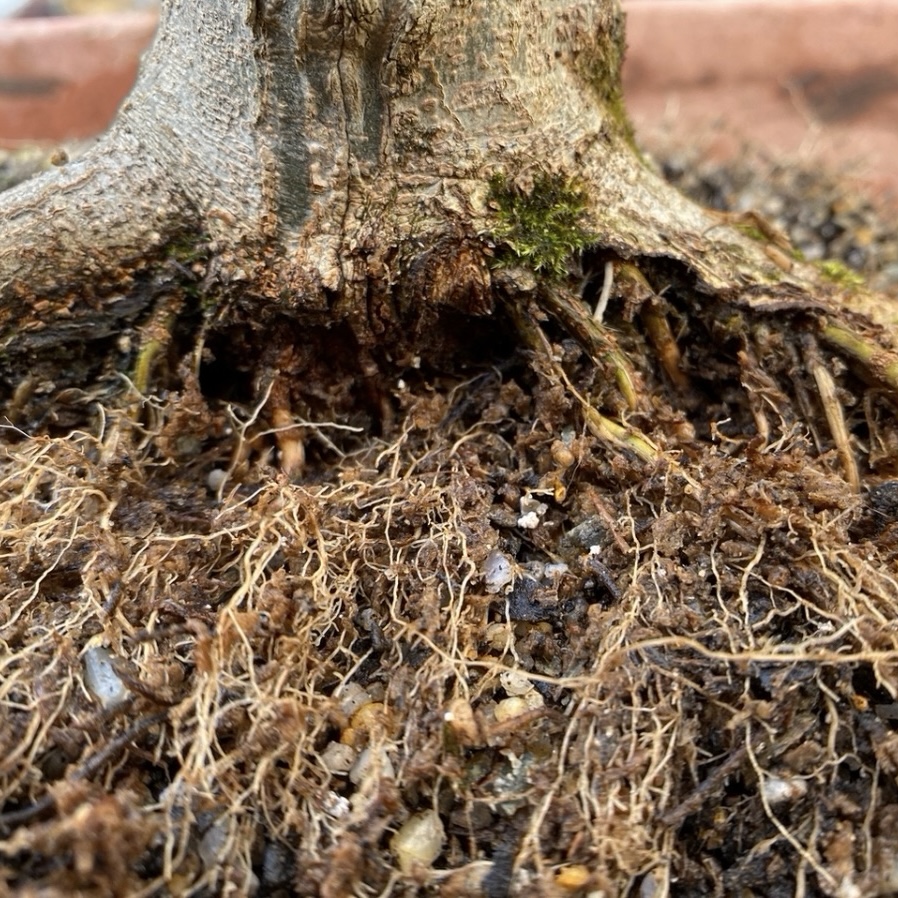
Normal potting soil doesn’t provide an ideal environment to encourage the growth of feeder roots. When growing trees as bonsai, we must consider a different types of soil for them.
Is Bonsai Soil Really “Soil”?
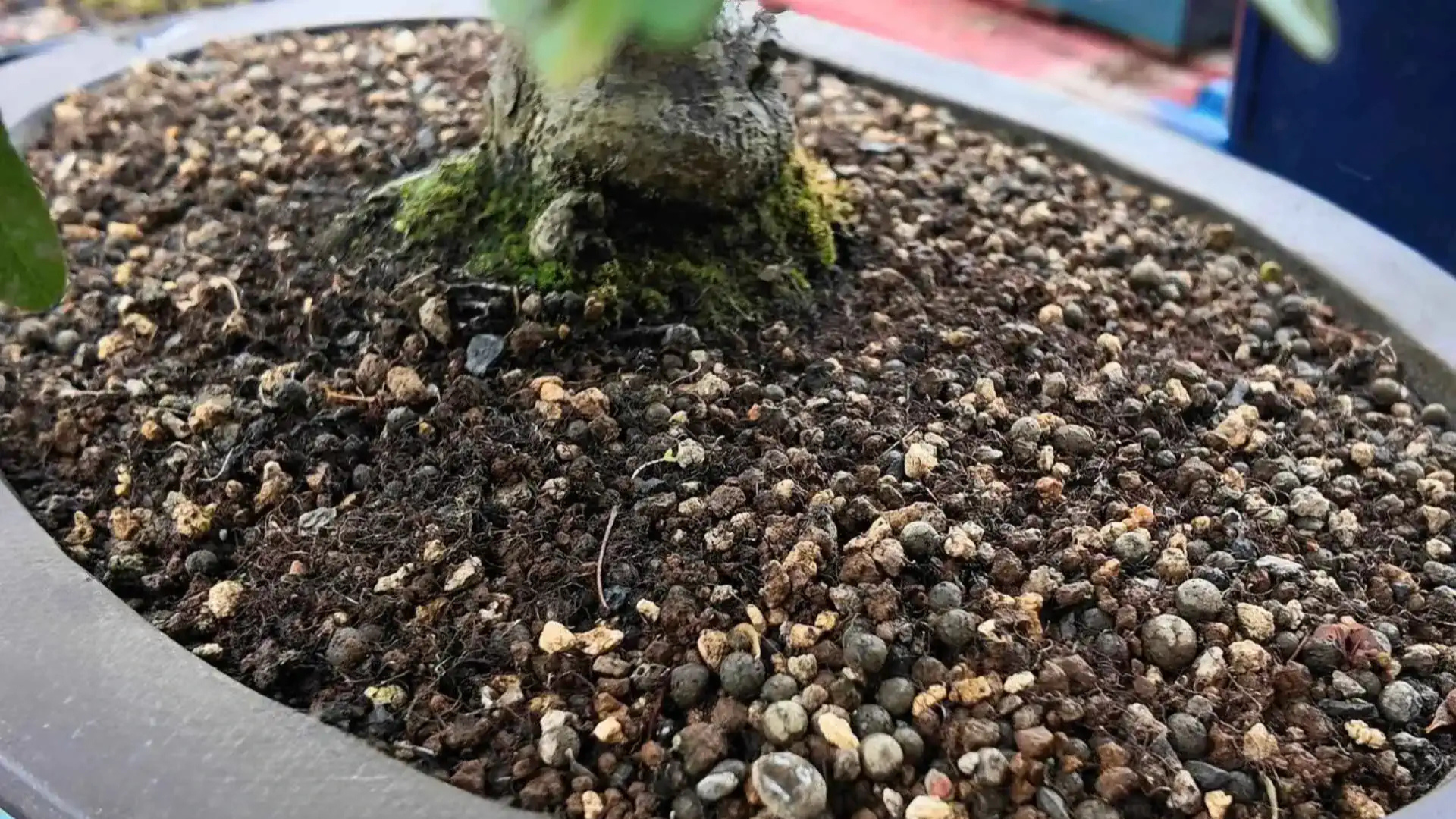
The irony in the term “bonsai soil” is that there isn’t really any soil in most bonsai soil mixes.
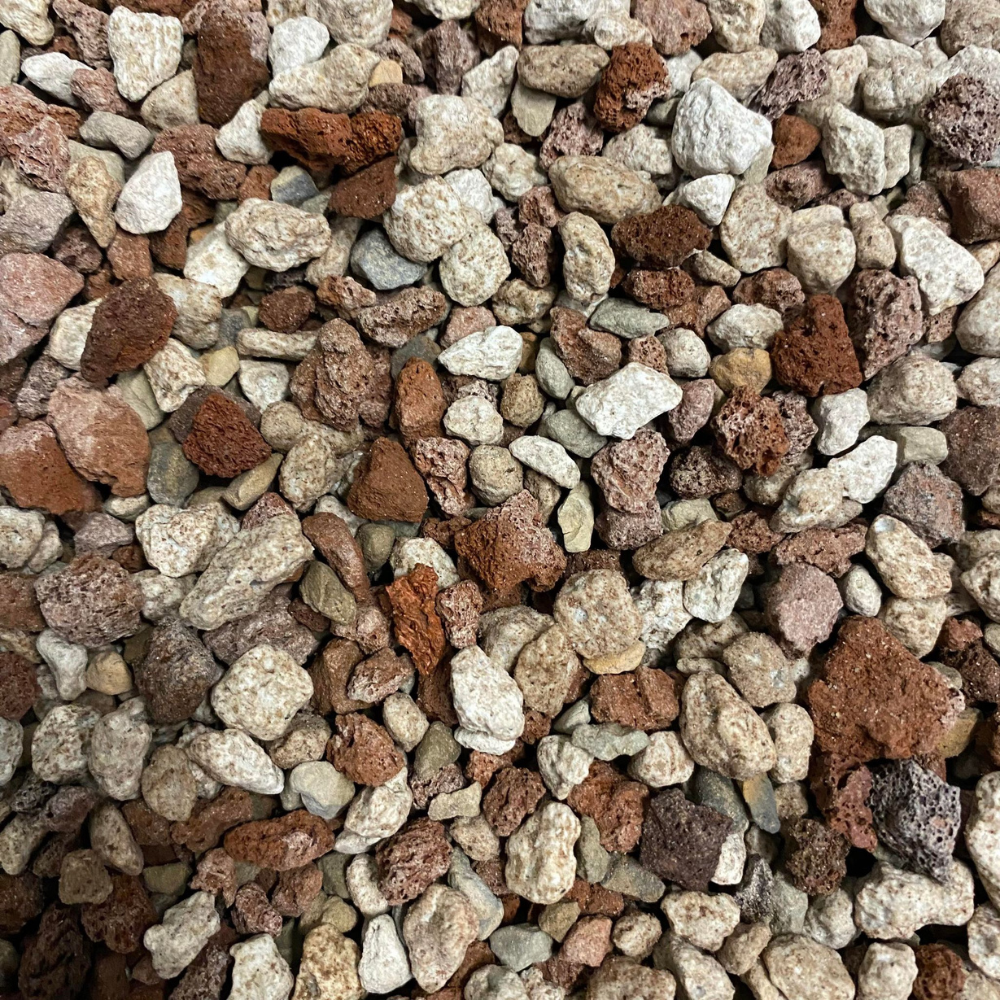
Instead, a mix of substrates like akadama, pumice, and crushed lava rock are used which more closely resembles gravel than soil.
This type of mix provides an environment where the tree can more easily grow feeder roots that it needs to thrive.
How Can Bonsai Soil Encourage Root Growth?
Before we go into specific soil mixes for bonsai soil, let’s take a quick moment to understand the type of environment needed to grow strong, vigorous roots.
The roots of your tree require air, water, and nutrients.
To provide those requirements, we need bonsai soil that provides aeration, drainage, and water retention.
Aeration
The roots of a bonsai need oxygen. If they are tightly packed in garden soil, it’s difficult for them to receive the oxygen they need. A loose bonsai soil that has room for fresh air to permeate between the particles provides proper aeration for the root system.
Soil Drainage
Think of a bonsai tree planted in garden soil in a small container. When you water it, that water will remain in the soil for several days, or even a week. During that time, the roots won’t access to the oxygen they need. Starving your tree of oxygen will weaken the tree.
Additionally, many bonsai trees don’t like “wet feet.” That is, they don’t like to soak in water for long periods of time. Over-watering a bonsai planted in garden soil can actually rot the tree’s roots. This “root rot” is detrimental to the tree and may eventually kill it.
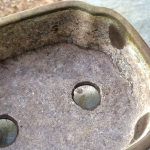
A proper bonsai soil allows for excess water to escape through the pot’s drainage holes after watering bonsai.
Water Retention
As much as we need good drainage, we also need some water to remain. If we used actual gravel as the substrate, water would flow directly through the pot and out the drainage holes leaving no water behind for the roots to utilize.
Because of this, we need to include some type of material in our bonsai soil mix that retains some water.
A clay-like material called akadama, which originates in Japan, is commonly used to achieve the proper water retention in bonsai soil. Akadama is available as granules that have been baked to create a gravel-like substrate.
Organic vs. Inorganic
Bonsai soil is commonly classified into two categories: organic and inorganic.
Just like it sounds, this inorganic soil has no organic compounds. This means that any nutrients that the tree needs will be added via fertilization, because there are no inherent nutrients in the soil itself.
There are three types of inorganic substrate commonly mixed together to form bonsai soil.
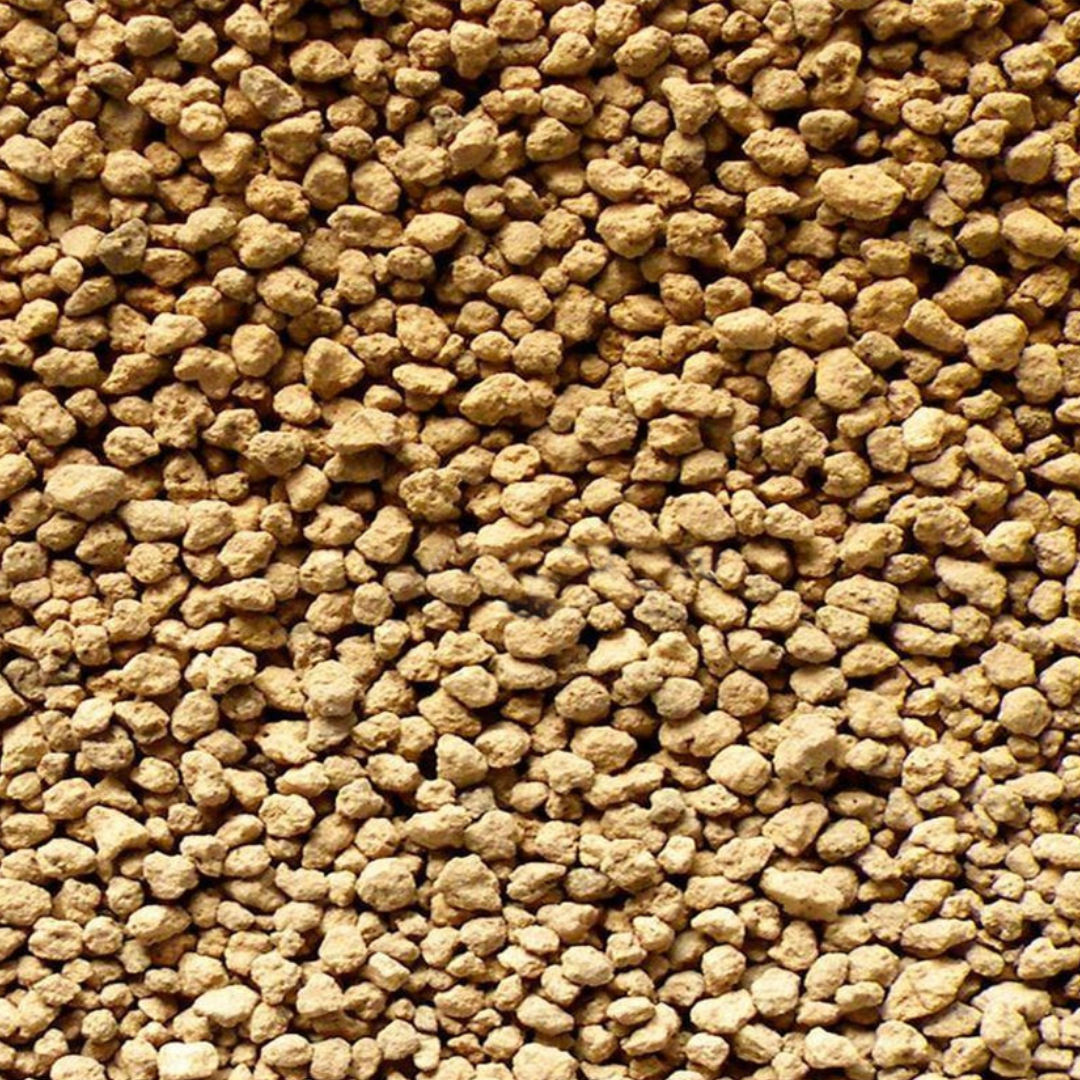
Akadama is hard-baked Japanese clay specifically produced for bonsai purposes.
It’s often expensive and therefore sometimes substituted with similar fired/baked clays (diatomaceous earth). Napa Auto floor sweep is a great alternative.
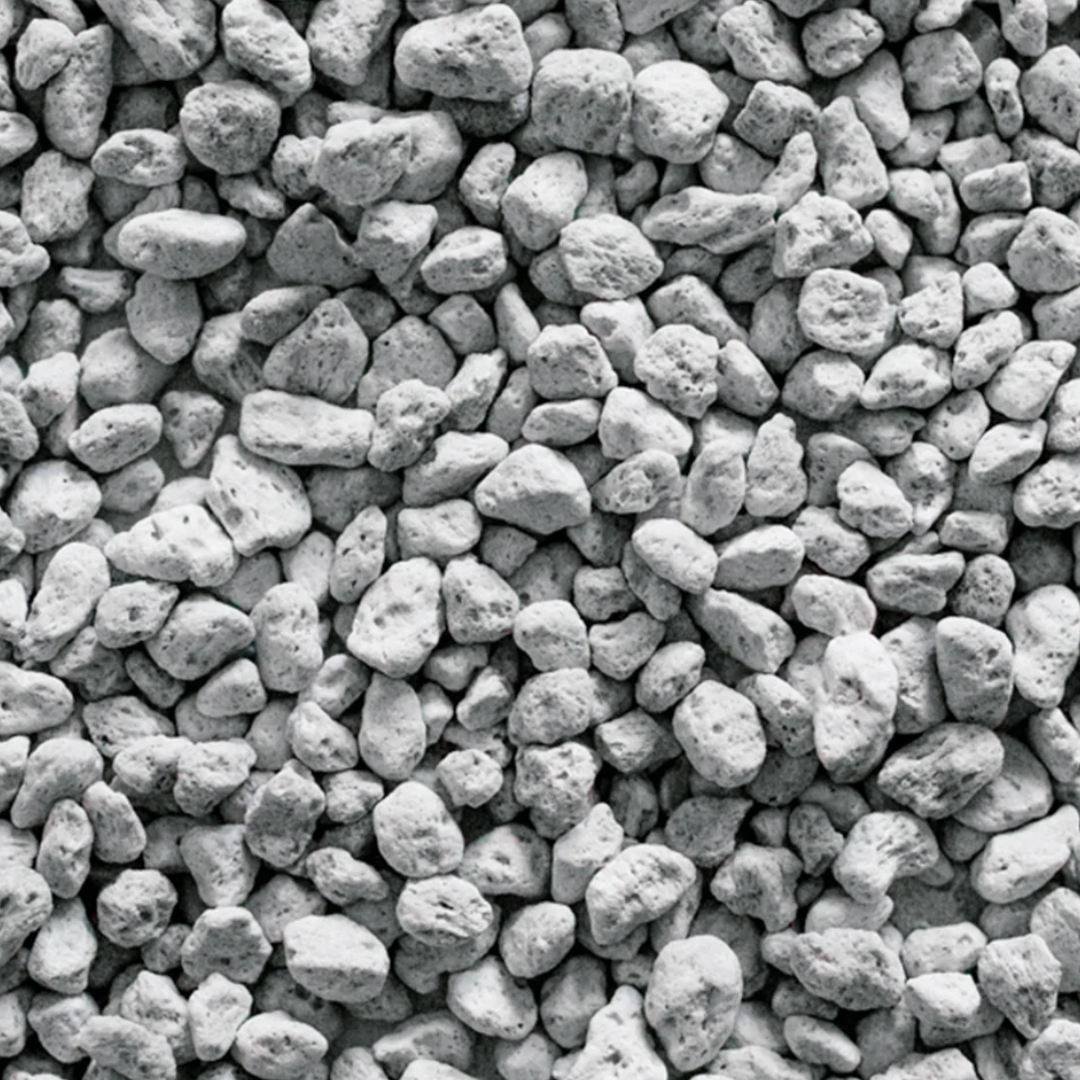
Pumice is a soft volcanic rock, which can absorb water and nutrients quite well. When used in a bonsai soil mix it helps to retain water and allows the roots to ramify very well.
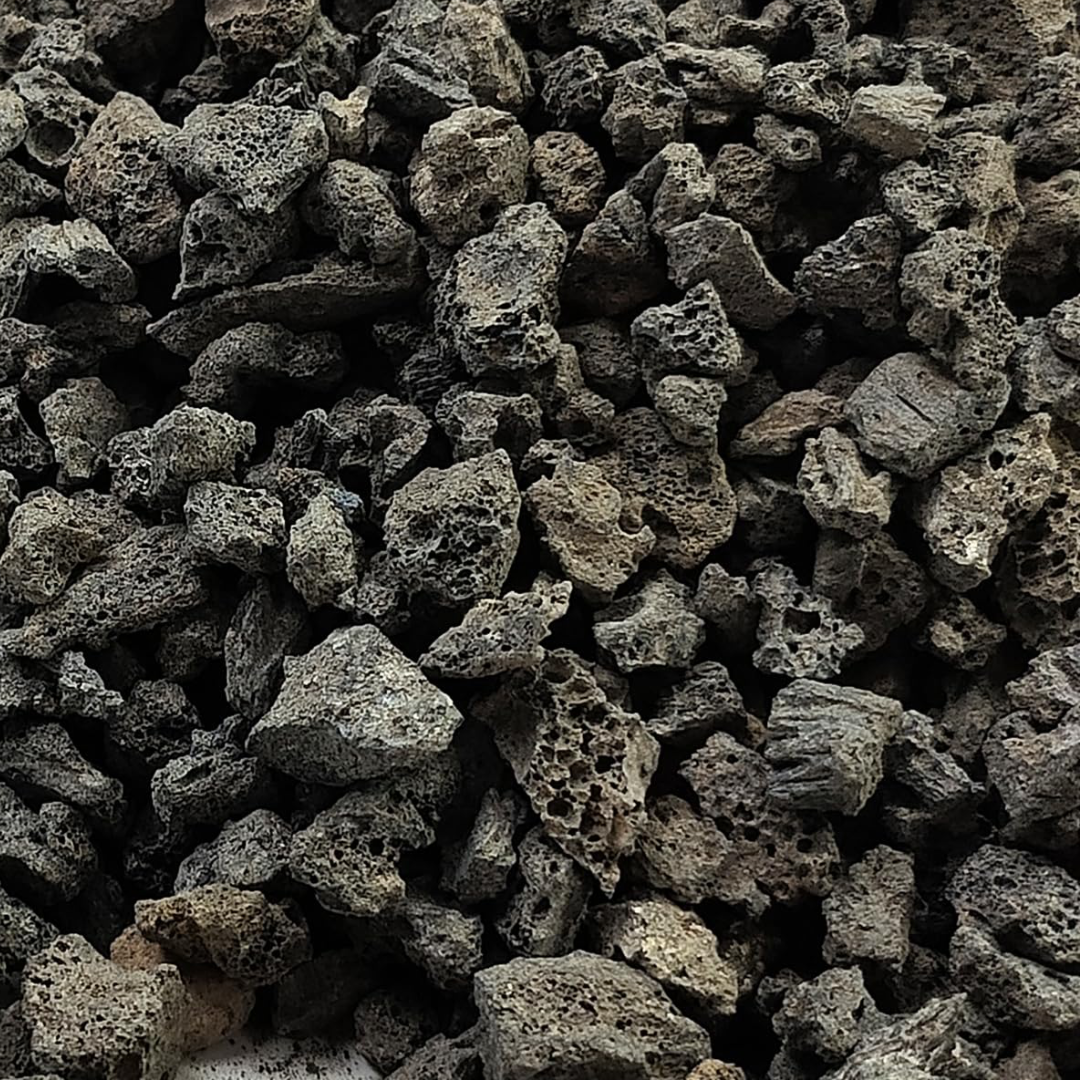
Lava rock also helps retain water and create a good structure when part of a bonsai substrate. Roots can’t grow into the lava rock.
Organic potting compost, made up of peat moss, perlite, and sand, can also be included. It retains too much water and doesn’t allow for proper aeration and drainage on its own, but as part of a soil mixture, it can work.
Mixing Ratios
For conifers, like pine and junipers, it’s recommended to use a mixture with a 1:1:1 ratio (1 part akadama, 1 part lava rock, and 1 part pumice).
For deciduous trees, like elms and maples, that mixture is slightly different, with a 2:1:1 ratio (2 parts akadama, 1 part lava rock, and 1 part pumice).
Always Remember!
Using the right soil mixture for your bonsai trees is crucial. Soil is important to supply your trees with nutrients, but it also needs to drain properly, provide enough aeration, and retain water.